Moisturizers for dry and dehydrated skin: how to choose
Shelves with cosmetics for dry skin impress with their variety: serums with a dozen active ingredients in the name, creams promising "24 hours of hydration," and oils that, according to manufacturers, can work wonders overnight. In practice, however, not every purchased product delivers a noticeable result, and sometimes, after a new cream, the skin even reacts worse than before. The reason is often simple — the product was chosen at random, based on advertising or price, rather than on the skin's actual needs. For hydration to truly work, it's important to understand which specific products and ingredients address dryness and dehydration, in what sequence they should be applied, and what to look for when choosing a particular product among dozens of similar jars and bottles.
Skin Hydration Products: Why a Comprehensive Approach is Needed
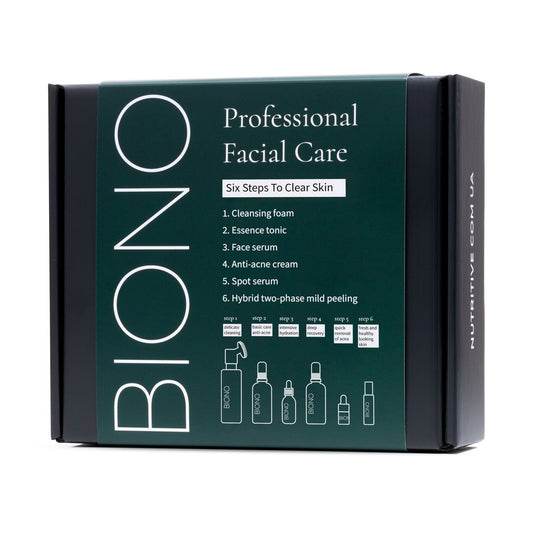
One cream or even the most expensive serum is rarely capable of independently solving the problem of dry and dehydrated skin, as each step of the routine is responsible for its own distinct function. Cleansing prepares the surface, toner and serum saturate cells with moisture, and cream or balm locks this moisture inside, preventing it from evaporating. If even one link is missed — for example, applying a thick cream directly to dry, unwashed skin without prior hydration — the result will be superficial and short-lived, and the feeling of comfort will disappear within a couple of hours.
A comprehensive approach means that skincare products complement, rather than duplicate, each other. Hyaluronic acid in a serum attracts water to cells, beta-glucan and panthenol soothe irritation and strengthen the microbiome, and natural oils and ceramides in a cream restore the lipid barrier and "seal" moisture from above. This is why experts recommend choosing not one "magic" product, but a small, logically constructed system of products, each of which performs a specific task in the overall hydration routine. To make it easier to navigate, it's worth understanding the basic role of each product category even before going to the store or browsing an online catalog.
- Cleansers — prepare the skin by removing impurities without disrupting the protective barrier.
- Toners and essences — saturate the skin with initial moisture immediately after washing.
- Serums — deliver concentrated active ingredients for deep hydration.
- Creams and balms — lock in moisture and nourish the skin with lipids.
- Oils and masks — perform an additional, more intensive restorative function.

Cleansing as the First Step to Hydration
It seems illogical, but the correct choice of a skin hydration product begins with cleansing, not with cream or serum. Aggressive sulfate-based gels and alcohol-containing soaps destroy the hydrolipid mantle — a thin protective layer that retains moisture on the skin's surface. After such cleansing, the skin feels tight within minutes, and even the best serum can no longer compensate for the damage done. Many people notice this effect but mistakenly attribute it to the skin's "peculiarities" rather than an improperly chosen cleansing method.
For dry and dehydrated skin, creamy emulsions, milks, or delicate foams without aggressive surfactants are optimal choices. Such formulas cleanse the skin, maintaining its natural balance and leaving no "squeaky" feeling after washing. An added bonus is oil-based products for the first step of double cleansing — they gently dissolve makeup and impurities without over-drying the skin, which is especially important for those who use decorative cosmetics or SPF protection daily. It's also worth paying attention to water temperature: hot water, even in combination with a delicate product, can negate the entire effect of quality cleansing, so cool or slightly warm water remains the optimal solution.
Toners and Essences for Dry and Dehydrated Skin
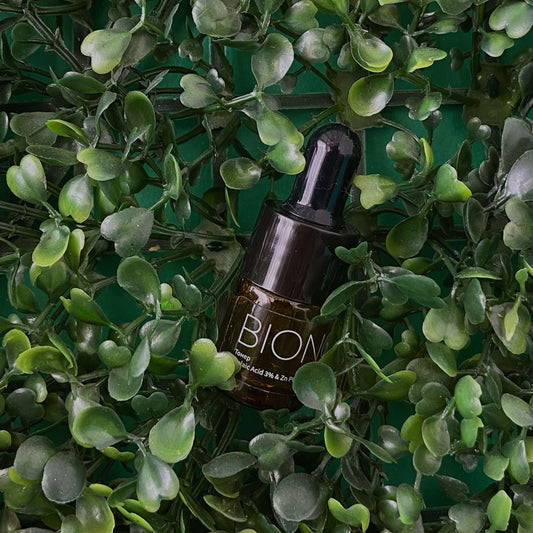
Toner is one of the most underrated products in skincare, although it is precisely what prepares the skin for deeper hydration, moisturizing it even before applying serum. Toner should be applied to freshly cleansed, slightly damp skin — this way, active ingredients penetrate more effectively and don't just remain on the surface. A good example of such a product is the 5% hyaluronic and mandelic acid facial toner: it simultaneously saturates the skin with moisture thanks to hyaluronic acid and gently renews the surface due to mandelic acid, without over-drying or irritating sensitive, dehydrated skin.
Mandelic acid in a low concentration is particularly valuable for dry and dehydrated skin types because it has a larger molecule compared to other acids and acts more gently, gradually removing dead skin cells without a feeling of tightness after the procedure. In combination with hyaluronic acid, such a toner performs a dual role: it prepares the skin for deeper hydration and at the same time improves its texture, making subsequent products — serum and cream — even more effective. When choosing a toner for dry and dehydrated skin, you should pay attention to several key ingredients.
- Hyaluronic acid of various molecular weights — provides hydration at several skin levels simultaneously.
- Panthenol — soothes irritation and accelerates the restoration of a damaged barrier.
- Allantoin and beta-glucan — relieve tightness and strengthen the skin's protective properties.
- Delicate acids, such as mandelic, in low concentration — gently renew the surface without over-drying.
- Absence of alcohol and high concentrations of fragrances — this reduces the risk of irritation in sensitive, dehydrated skin.
Hyaluronic Acid Serums: How They Work
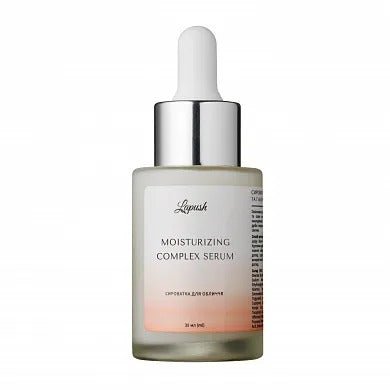
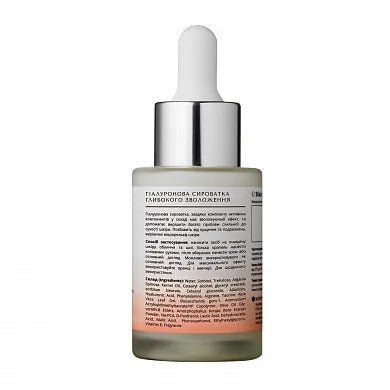
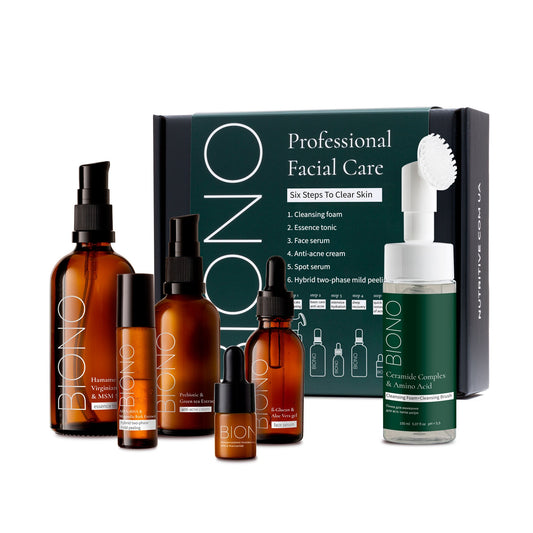
A serum is a concentrated product that contains the highest proportion of active ingredients compared to other steps of the routine, which is why it performs the main "work" of hydration. Hyaluronic acid in such a serum acts like a magnet for water molecules: it attracts moisture from the air and deeper layers of the skin, retaining it in the epidermis. Thanks to its varying molecular weight, the component penetrates at different levels — from superficial hydration to deeper tissue saturation with moisture. A good example of such a product is the intensely hydrating serum with beta-glucan and aloe vera gel, which combines moisturizing action with a soothing effect for irritated, dehydrated skin.
For dehydrated skin, it is especially important to apply serum to damp skin immediately after toner, before the moisture has had a chance to evaporate. This increases the product's effectiveness several times compared to applying it to a dry surface. In addition to hyaluronic acid, serums for dry and dehydrated skin often contain peptides and amino acids that support elasticity, as well as niacinamide, which helps even out tone and strengthen the skin's barrier function. The Ceramide Complex & Amino Acids serum deserves special attention, as it works not so much to attract moisture as to restore the protective barrier itself — it complements the action of hyaluronic serum, so both products are often used in combination: one saturates the skin with moisture, and the other strengthens its ability to retain that moisture.

Creams and Balms for Locking in Moisture
If you limit yourself to just toner and serum, the hydration effect will be short-lived — moisture quickly evaporates from the surface, especially during heating season or windy weather. That's why the final and essential step of the routine is a cream or balm with a denser texture, which creates a thin protective film on the skin's surface. This film prevents moisture from leaving the cells, while also nourishing the skin with necessary lipids. For example, a moisturizing face cream with squalane and centella combines both functions: squalane is structurally similar to the skin's natural sebum and wonderfully locks in moisture, while centella soothes redness and accelerates the regeneration of damaged areas.
For daily care of dry and dehydrated skin, it's logical to choose lighter textures with SPF protection that don't overload the skin under makeup. In the evening, however, it's worth preferring denser, richer formulas with natural oils, ceramides, and niacinamide — it's at night that the skin actively regenerates, and additional nourishment helps restore the damaged lipid barrier. Regular use of such a cream, along with the previous steps of toner and serum, gradually restores the skin's elasticity, comfort, and natural radiance without a feeling of tightness, and the result usually becomes noticeable after two to three weeks of consistent application.
Oils and Boosters in Dry Skin Care
Natural oils remain one of the most effective remedies for dry skin, as their fatty acid composition is as close as possible to natural sebum. However, not every oil is equally suitable for dry and dehydrated skin — it's important to focus on texture and absorption speed to avoid creating a film that interferes with skin respiration. Oil is often perceived as a substitute for cream, although it's more accurate to consider it as an additional, enhancing step in the routine, rather than a standalone finishing product.
- Light, fast-absorbing oils complement daily care well and don't leave a greasy shine.
- Denser oils with a rich fatty acid composition are suitable for evening restorative care.
- Boosters with concentrated active ingredients can be added a few drops directly to cream or serum to enhance the effect during the cold season.
- Oils should be applied as the last step of care, as they "seal" all previous layers of products.
Intensive Hydrating Masks: When and How to Use
Facial masks are a kind of "first aid" for dry and dehydrated skin, allowing a high concentration of active ingredients to be delivered in a short time. Sheet masks with hyaluronic acid or aloe vera are especially effective before an important event or after a long flight, when the skin needs urgent restoration of its water balance. Cream masks with a rich texture, in turn, work longer and are suitable for regular use once or twice a week, gradually accumulating the effect from procedure to procedure.
It's important not to overuse masks, as an excessive amount of active ingredients can sometimes overload the skin and cause the opposite effect — irritation instead of soothing. The optimal frequency for most types of dry and dehydrated skin is once or twice a week, in conjunction with a basic daily routine of cleansing, toner, serum, and cream. The mask should be applied to previously cleansed skin and left on for exactly as long as indicated by the manufacturer, to avoid the reverse effect of over-drying after the texture dries, and after removing the mask, be sure to fix the result with a cream.
How to Choose a Product by Composition: What to Pay Attention to
Reading a product's ingredient list is a skill that saves a lot of time and money, as it allows you to immediately filter out products unsuitable for dry and dehydrated skin. The first positions in the ingredient list indicate the highest concentration of the component, so these are what you should focus on first, rather than the marketing claims on the front of the packaging.
- The presence of hyaluronic acid, glycerin, or urea in the first lines of the composition is a sign of a truly moisturizing product.
- The presence of ceramides, squalane, or natural oils signals that the product additionally restores the protective barrier.
- Absence of denatured alcohol at the beginning of the list — its high concentration dries out the skin.
- Moderate amount of fragrances and dyes — an excess of these components often provokes irritation in sensitive, dehydrated skin.
- Presence of antioxidants, such as vitamin E or niacinamide — additional protection from external aggressive factors.
Mistakes When Choosing Hydrating Products
Even with access to quality cosmetics, many people continue to make the same mistakes when forming a routine for dry and dehydrated skin. The most common one is focusing exclusively on texture density: a dense cream is automatically perceived as "more moisturizing," although in reality, a thick consistency often indicates only a high oil content, not a true ability to retain water. Another common mistake is buying only one product instead of a system, when a person hopes that one serum or one cream will replace a complete multi-step routine.
To avoid disappointment with new products, it's worth checking a few things beforehand, even before buying or the first application of a new product.
- Check texture compatibility: a lighter serum is always applied before a denser cream, not the other way around.
- Introduce new products into your routine gradually, one product at a time, to understand how your skin reacts to it.
- Consider seasonality: in winter, due to heating, the skin needs denser formulas, and in summer — lighter ones.
- Give the product time: the result of hydration usually becomes noticeable after two to three weeks of regular use, not after the first application.
- Do not change the entire routine at once — this makes it difficult to understand which product had an effect and which caused irritation.
The Right Choice of Products — The Foundation of Healthy Skin
Effective care for dry and dehydrated skin rarely comes down to finding one ideal product — much more often, the result is provided by a well-chosen system of products, where each performs its function: delicate cleansing prepares the skin, toner with hyaluronic and mandelic acid and serum with beta-glucan and aloe vera saturate it with moisture, ceramide complex serum strengthens the barrier, and cream with squalane and centella seals this effect. Understanding the composition, texture, and sequence of application allows you to avoid the most common mistakes and achieve a noticeable result within a few weeks of regular use.
The main guideline when choosing hydrating products is not bright packaging or label promises, but the actual composition and suitability for the specific skin condition. Seasonal routine adjustments, careful reading of ingredients, and consistent layering of products from lighter to denser textures gradually restore the skin's comfort, elasticity, and healthy glow — without tightness, flaking, or the feeling of a temporary effect that disappears within a few hours.