Enlarged pores: why they appear and how to even out skin texture
A look in the mirror in daylight often reveals what isn't visible in a filtered photo: noticeable pores on the nose and cheeks, uneven microrelief, minor irregularities under a layer of foundation. Many immediately search for a product that promises to "tighten pores in a week" and are disappointed when they see no results. The reason is that the problem of enlarged pores and uneven texture has specific physiological causes and cannot be solved with one magical cream. Understanding why pores become more noticeable and what can truly be changed with skincare and what cannot allows for a strategy that yields stable, not cosmetically-instantaneous, results.
Enlarged Pores and Skin Texture: What is the Problem?
A pore is a natural opening of a sebaceous-hair follicle, and everyone has them regardless of skin type. A pore becomes noticeable when its walls lose elasticity, and the pore itself fills with sebum, makeup residue, or dead skin cells, causing it to stretch and cast a shadow that creates the visual effect of a "pit" on the skin. In parallel, uneven skin texture is a broader concept that includes not only pores but also minor irregularities in microrelief, post-inflammatory hyperpigmentation, or areas with increased keratinization.
Both phenomena are closely related: where excess sebum and dead cells accumulate, pores simultaneously enlarge and the smoothness of the skin's surface deteriorates. Therefore, effective skincare always works in two directions simultaneously — it controls sebum production and removes excess dead skin cells that prevent the skin from looking even. Ignoring one of these factors explains why individual "pore-tightening" products rarely provide long-term results on their own.

Why Pores Become More Noticeable: Main Causes
The most common cause of enlarged pores is increased activity of the sebaceous glands, which is most often associated with hormonal fluctuations, genetic predisposition, or age. When too much sebum is produced, it mixes with dead skin cells inside the pore, forming a dense plug that stretches the walls and makes the pore more visible to the naked eye. This is why the problem of enlarged pores more often accompanies oily and combination skin, although under certain conditions it can also occur in people with normal skin types.
The second significant factor is age-related changes in the structure of collagen and elastin. Over time, the skin gradually loses elasticity, pore walls no longer hold their shape as tightly as in youth, and even without excessive oiliness, pores appear more stretched. Additionally, UV radiation, which destroys collagen fibers, irregular cleansing, which allows impurities to accumulate day after day, and even improperly chosen decorative cosmetics that clog pores with dense textures, all affect the condition of the pores.
Sebum and Dead Skin Cells: How They Affect Texture
Sebum itself is not the enemy of the skin — it performs a protective function, preserving the natural lipid barrier and preventing dryness. The problem arises when its production becomes excessive and it doesn't have time to properly exit to the surface, instead mixing with epidermal cell remnants directly in the pore. This mixture gradually oxidizes under the influence of oxygen, darkens, and forms the blackheads that further emphasize the visibility of pores and uneven texture.
Dead skin cells normally shed on their own, but with a decrease in natural epidermal renewal — due to age, dehydration, or insufficient cleansing — they remain on the surface longer than necessary. This creates a kind of "layer" that makes the skin appear duller, accentuates microrelief irregularities, and enhances the feeling of roughness to the touch. Regular, but moderate, exfoliation helps to remove this excess of cells, clearing pores and gradually evening out the texture without damaging the living layers of the skin.
Enlarged Pores or Clogged Pores: How to Distinguish Skin Conditions
Before choosing a skincare routine, it's helpful to understand exactly what manifestation you're dealing with – because "enlarged" and "clogged" pores require a somewhat different emphasis in your routine.
- If pores are visible all over the face and look the same in the morning as in the evening, it is most likely a structural feature related to skin oiliness or age.
- If pores appear darker and more clogged in the evening than in the morning immediately after cleansing, it is a sign of sebum and impurity accumulation during the day.
- Small blackheads in the T-zone most often indicate oxidized sebum in the pores, while general roughness of the cheeks indicates an excess of dead skin cells.
- If the skin looks oily in the T-zone and tight on the cheeks simultaneously, it may indicate a combination condition that requires different care for different areas of the face.

The Myth of Pore Tightening: What is Actually Possible
One of the most common requests in skincare is how to "tighten pores permanently". It is important to honestly admit: pore size is determined by the genetically predetermined structure of the sebaceous-hair follicle, and no cosmetic product can physically reduce this size on a permanent basis. Pores do not have muscles that could contract or expand on command, so promises of instant and long-lasting "tightening" should be met with some skepticism.
At the same time, this does not mean that the situation is hopeless. Regular, well-chosen skincare can indeed make pores less visually noticeable – by cleansing them of impurities, maintaining the elasticity of their walls, and evening out the surrounding texture. The effect of such care is cumulative: pores do not disappear, but they stop being "obvious" in daylight or under a layer of makeup, and the skin as a whole looks more well-groomed, smooth, and healthy.
Cleansing Skin with Enlarged Pores: Basic Rules
The basis of any skincare for skin prone to enlarged pores is consistent and gentle cleansing, which removes excess sebum without provoking compensatory increased production. Aggressive alcohol toners or too frequent use of harsh scrubs give a temporary feeling of "mattness," but over time only worsen the situation, forcing the sebaceous glands to work even more actively.
- Choose gel or foam cleansers with mild surfactants instead of harsh sulfates.
- Wash your face twice a day, paying special attention to the T-zone, where the most sebum is produced.
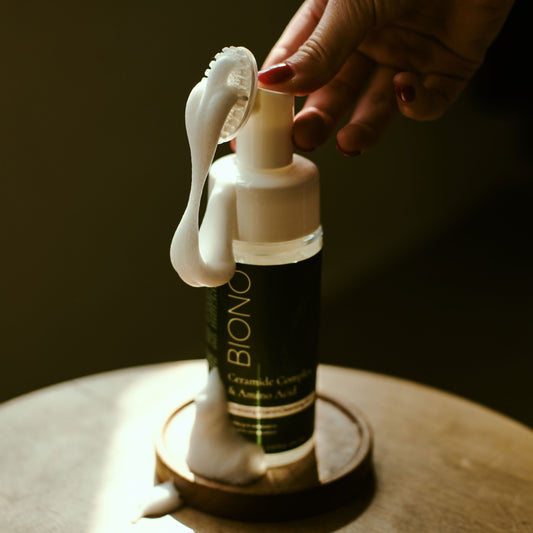
- Use additional cleansing tools, such as silicone brushes, which gently help remove excess impurities from pores without traumatizing the skin.
- Avoid hot water when washing — it increases sebum production and irritates the skin.
- Finish cleansing with a light toner that prepares the skin for subsequent skincare steps without a feeling of tightness.

AHA and BHA Acids for Texture Improvement
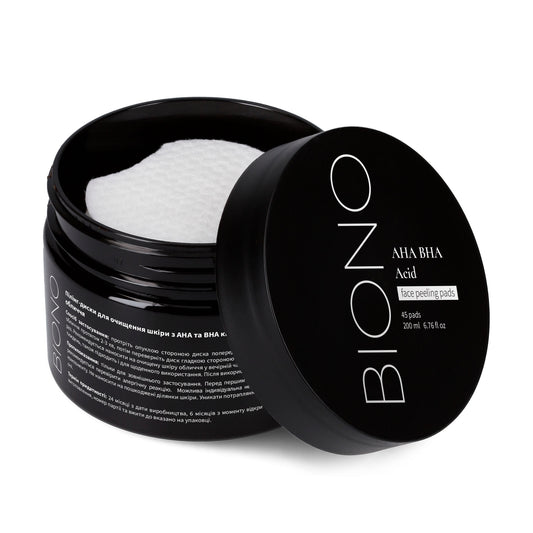
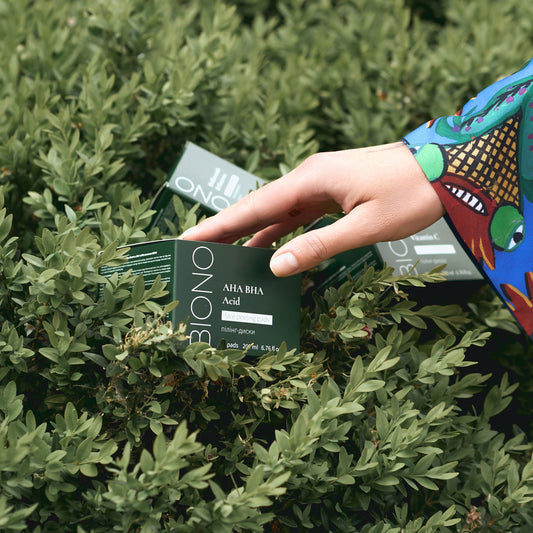
Gentle chemical exfoliation is one of the most effective tools for treating enlarged pores and uneven skin texture. BHA acids, particularly salicylic acid, are oil-soluble and can penetrate deep into the pore, dissolving sebum plugs and reducing inflammation, making them especially effective for oily skin prone to clogged pores. AHA acids, on the other hand, primarily work on the skin's surface, gently exfoliating dead skin cells and smoothing microrelief, making the skin appear smoother and more radiant.
The main rule for using acids is gradualness and regularity without excess. It's best to start with a low concentration once or twice a week, gradually assessing the skin's reaction, and only increase the frequency of application if there is no irritation. An essential condition for regular acid use is daily SPF protection, as renewed skin becomes more sensitive to UV radiation, and without proper protection, the effects of exfoliation can be negated by new pigmentation or irritation.
Balance of Cleansing and Moisturizing: Why It's Important
It would seem logical that oily skin with enlarged pores should avoid moisturizers so as not to exacerbate shine. In reality, the opposite is true: a lack of moisture in cells, even in oily skin, often provokes compensatory increased sebum production, as the skin tries to independently "fill" the moisture deficit with the resources available to it. This vicious cycle is especially characteristic of combination skin, where dryness and oiliness can coexist simultaneously in different areas of the face.
Therefore, a proper routine for skin with enlarged pores necessarily includes light, non-comedogenic moisturizers that do not overload the skin but provide sufficient moisture. A light serum or gel-cream maintains skin comfort without a greasy film, and their regular presence in the routine helps stabilize the sebaceous glands over several weeks. Skipping this step is one of the main reasons why people with oily skin do not see improvement in texture and pore visibility even with active acid use.
Mistakes in Pore and Skin Texture Care
Even with the right products, it's easy to undo all the effort due to a few common mistakes that most people make when first establishing a routine.
- Excessively frequent mechanical pore cleansing or the use of harsh scrubs, which traumatizes the skin and increases sebum production.
- Combining several active acid products at once without an adaptation period, leading to irritation and barrier disruption.
- Skipping SPF protection during the day, especially with regular acid use, which negates the results of exfoliation with pigmentation.
- Using dense, comedogenic cream textures that further clog pores and increase their visibility.
- Expecting instant results — real changes in skin texture usually become noticeable only after several weeks of consistent care.
Smooth Skin Texture Starts with Proper Care
Enlarged pores cannot be permanently eliminated by any cosmetic product, as their size is determined by the natural structure of the skin, age, and genetics. However, this is no reason to abandon skincare: consistent cleansing, moderate and regular use of AHA and BHA acids, and an essential balance of hydration can make pores significantly less noticeable, and skin texture smoother and more even within a few weeks of a systematic approach.
The best results come not from finding one "magic" product, but from understanding the underlying causes of visible pores in a specific case – whether it's excess sebum, accumulation of dead skin cells, or age-related loss of elasticity. By focusing on these causes, rather than marketing promises, one can build a routine that works for real, stable results, not a short-term visual effect of mattness that disappears within a few hours.