

Догляд за проблемною шкірою: акне та жирний блиск
Акне та жирний блиск — одна з найпоширеніших проблем шкіри, з якою стикаються не лише підлітки, а й дорослі. Причин багато: гормональні коливання, стрес, неправильно підібраний догляд, забруднене довкілля або надмірна активність сальних залоз. Усе це призводить до того, що пори забиваються, з'являються запалення, чорні крапки, а шкіра виглядає жирною вже за кілька годин після вмивання. Замаскувати такі недоліки складно, а спроби "підсушити" агресивними засобами часто лише погіршують стан — шкіра реагує ще більшою жирністю та подразненням.
Ключ до здорової шкіри — грамотний системний догляд. Проблемній шкірі потрібні активні компоненти, які працюють делікатно, але результативно: саліцилова та азелаїнова кислоти для очищення пор і зменшення запалень, ніацинамід для контролю себуму, пребіотики та зелений чай для відновлення мікробіому й заспокоєння шкіри. У цій категорії ми зібрали засоби BIONO, які комплексно вирішують проблему акне та жирного блиску — від м'якого очищення до точкової роботи з висипаннями. Ви можете підібрати окремий продукт під свою потребу або вибудувати повноцінну рутину, яка поступово поверне шкірі чистоту, рівний тон і матовість.
Acne and oily skin
-
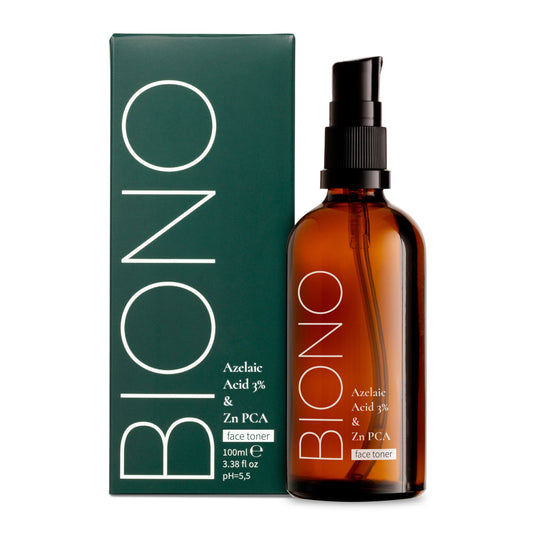
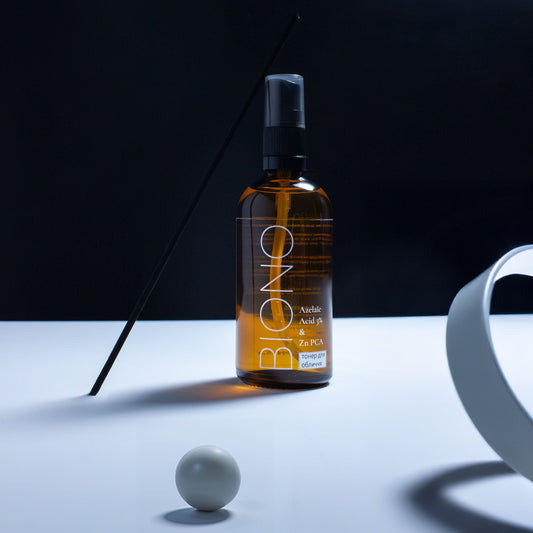
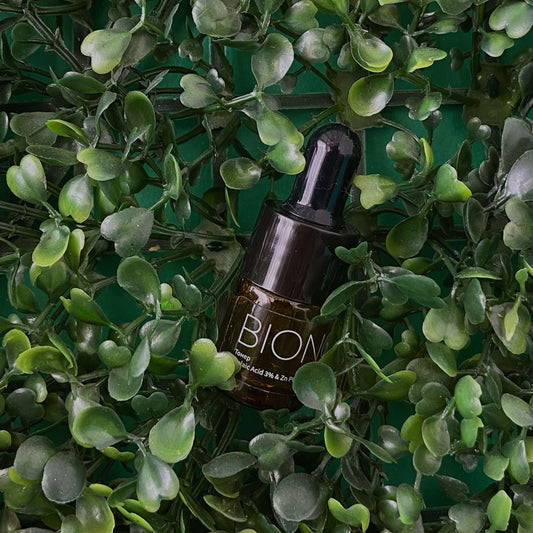
Facial toner with azelaic acid 3% "Anti-Pollution"
Vendor:BIONORegular price From ₴175.00 UAHRegular priceUnit price per -
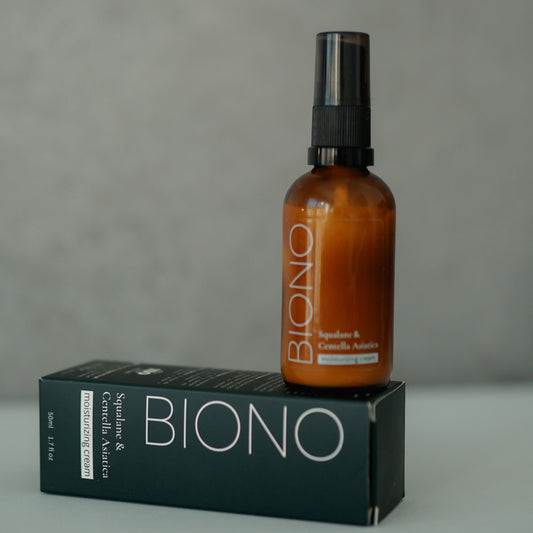
Anti-acne facial cream with prebiotics and green tea extract
Vendor:BIONORegular price ₴630.00 UAHRegular priceUnit price per -
Concentrated spot serum with salicylic acid and niacinamide
Vendor:BIONORegular price ₴270.00 UAHRegular priceUnit price per -
Tonic essence with witch hazel hydrolate and organic sulfur
Vendor:BIONORegular price ₴590.00 UAHRegular priceUnit price per -
Set of sachets of cleansing enzyme powder with salicylic acid and calamine Biono, 10pcs.x2
Vendor:BIONORegular price ₴440.00 UAHRegular priceUnit price per





Frequently asked questions about problem skin care
Collapsible content
What's the difference between oily and problematic skin?
They are not the same, although these types are often combined. Oily skin is a skin type characterized by increased activity of the sebaceous glands: the face quickly looks shiny, pores are enlarged, and makeup "melts". Problematic skin is a condition accompanied by rashes, inflammation, blackheads, and post-acne marks. Oily skin is not always problematic, and acne can also occur on dry or combination skin.
At what age can acne appear?
Acne is not just a teenage problem. Breakouts can appear at any age due to hormonal changes, stress, poor diet, pregnancy, certain medications, or improperly chosen skincare. Adult acne (after 25 years old) is becoming more common and requires a gentler approach than teenage acne — the skin is no longer as resilient to aggressive treatments.
How often can acids be used for acne-prone skin?
Everything depends on the type of acid and its concentration. Mild products with salicylic or mandelic acid in low concentration (up to 5%) can be used daily or every other day, preferably in the evening. Stronger AHA+BHA peels — 1-2 times a week. Always start with the minimum frequency, observe your skin's reaction, and always use SPF during the day, as acids increase sun sensitivity.
Does oily skin need moisturizing?
Yes, absolutely. This is one of the most common myths – that oily skin doesn't need moisturizing. In fact, when skin lacks moisture, it starts producing even more sebum to compensate for dehydration. Choose light textures: gels, fluids, serums with hyaluronic acid, beta-glucan, niacinamide, or aloe vera. They moisturize without clogging pores.
How to properly treat spot inflammations?
Don't pop pimples — this leads to inflammation, scarring, and post-acne marks. Instead, use targeted serums with salicylic acid and niacinamide: apply a drop directly to the inflamed area in the evening after cleansing. Usually, the inflammation becomes less noticeable within 1-2 days. For reducing redness after breakouts, products with azelaic acid or green tea are suitable.
How long until I see results?
The first changes—a reduction in oiliness and an improvement in texture—are often noticeable within 2-3 weeks of regular care. Treating acne requires more time: 6-8 weeks to see a sustained reduction in breakouts, and 2-3 months to even out skin tone and reduce post-acne marks. The key is consistency: a one-time application of products will not yield results.
ЩО ТАКЕ ОНЛАЙН-АНАЛІЗ СТАНУ ШКІРИ?

ЩО ТАКЕ ОНЛАЙН-АНАЛІЗ СТАНУ ШКІРИ?
Онлайн-аналіз шкіри — це сучасний метод діагностики, який дозволяє визначити:
Ми пропонуємо професійний аналіз за допомогою детальної анкети та фотоогляду, який проводить кваліфікований спеціаліст. Усе, що вам потрібно — це кілька хвилин вільного часу та доступ до інтернету.


