

Засоби для зволоження та живлення шкіри
Сухість і зневоднення — одна з найпоширеніших проблем шкіри, з якою стикаються люди різного віку та різних типів шкіри. Причин багато: холодне повітря та вітер, опалення взимку, кондиціонери влітку, жорстка вода, агресивні засоби для вмивання, нестача вологи в раціоні або вікові зміни. Усе це призводить до того, що захисний бар'єр шкіри слабшає, з'являється відчуття стягнутості, лущення, дрібні зморшки стають помітнішими, а шкіра втрачає природне сяйво й пружність. Спроби "напоїти" шкіру жирними кремами часто не дають результату — адже проблема не у нестачі ліпідів, а в дефіциті вологи всередині клітин.
Ключ до здорової, гладенької шкіри — комплексне зволоження на всіх рівнях. Сухій та зневодненій шкірі потрібні компоненти, які працюють у двох напрямках: притягують і утримують вологу та одночасно відновлюють пошкоджений ліпідний бар'єр.
Гіалуронова кислота працює на різних рівнях зволоження та допомагає підтримувати баланс вологи в шкірі, бета-глюкан і пантенол заспокоюють і відновлюють, цераміди та натуральні олії підтримують захисний бар’єр і запобігають втраті вологи, а делікатні кислоти, зокрема мигдальна кислота, допомагають м’яко оновлювати поверхню шкіри без відчуття пересушення та стягнутості. У цій категорії ми зібрали засоби BIONO, які системно вирішують проблему зневоднення та сухості — від делікатного очищення до глибокого живлення. Ви можете підібрати окремий продукт під свою потребу або вибудувати повноцінну рутину, яка поверне шкірі комфорт, пружність та здоровий вигляд.
Skin moisturizing and nourishing products
-
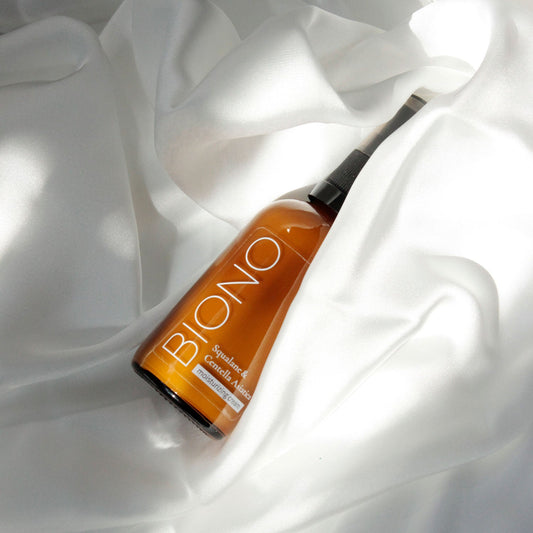
Moisturizing facial cream with squalane and centella
Vendor:BIONORegular price ₴630.00 UAHRegular priceUnit price per -
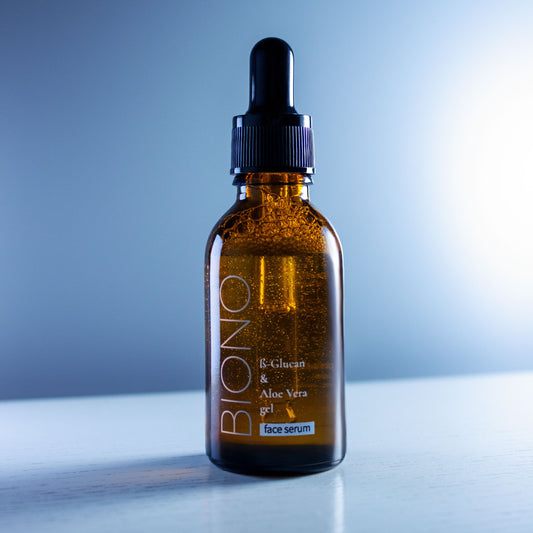
Intensively moisturizing serum with beta glucan and aloe vera gel
Vendor:BIONORegular price From ₴198.00 UAHRegular priceUnit price per -
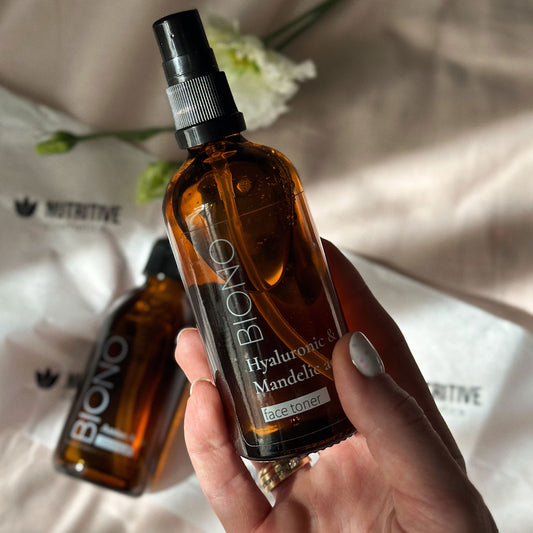
Facial toner with hyaluronic and mandelic acid 5% "Hyaluronic & Mandelic Acid"
Vendor:BIONORegular price From ₴175.00 UAHRegular priceUnit price per -
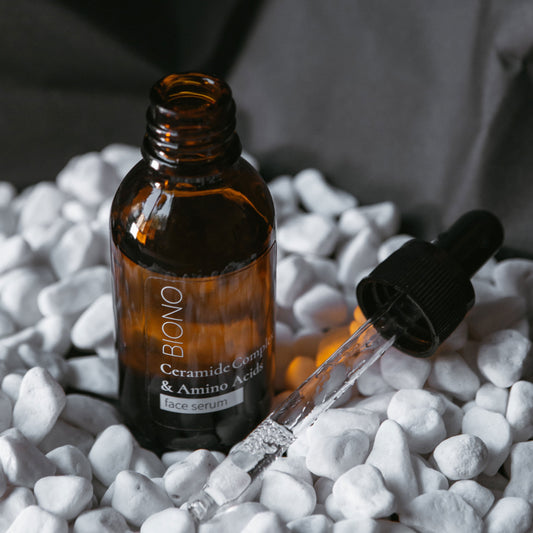
Ceramide Complex & Amino Acids Facial Serum
Vendor:BIONORegular price ₴575.00 UAHRegular priceUnit price per




Frequently asked questions about dry and dehydrated skin care
Collapsible content
What is the difference between dry skin and dehydrated skin?
These are fundamentally different conditions, although they are often confused. Dry skin is a skin type characterized by a lack of lipids (fats): the sebaceous glands are underactive, the skin is thin, pores are almost invisible, and flaking often occurs. Dehydrated skin is a temporary condition when cells lack water. Any skin type can be dehydrated – even oily or combination. Signs of dehydration include: a feeling of tightness after washing, fine surface wrinkles, and a dull complexion.
Why does skin become dehydrated even with regular care?
There can be several reasons: overly aggressive cleansing (soap, hot washes, frequent peels), dry indoor air due to heating or air conditioning, insufficient water intake, excessive sun exposure, stress, lack of sleep, improperly chosen cosmetics with a lot of alcohol, or the absence of a moisturizing step in your routine. If you use active ingredients (retinol, acids, vitamin C), it's worth balancing them with powerful moisturizing products.
Do I need to use serum if I already have cream?
Yes, these products perform different functions. Serum has a light texture and a high concentration of active ingredients — it penetrates deeper and saturates the skin with moisture or nutrients from within. Cream primarily works on the surface: it creates a protective film, retains moisture, and nourishes the lipid barrier. For dry and dehydrated skin, a combination is ideal: first, a hydrating serum with hyaluronic acid, then a nourishing cream — this provides maximum effect.
How often can you use masks for dry skin?
Moisturizing sheet or cream masks can be used 2-3 times a week, or even daily if needed (especially in winter or after flights). Oil and restorative masks are sufficient to use 1-2 times a week in the evening. Avoid clay and drying masks – they can worsen dryness. Pay attention to the ingredients: look for hyaluronic acid, beta-glucan, panthenol, aloe, and natural oils.
Can oily skin be dehydrated?
Yes, and this is a very common situation. Paradoxically, many owners of oily skin suffer from dehydration. When the skin lacks moisture, the sebaceous glands begin to produce even more sebum in an attempt to compensate for the deficiency — and simultaneously, oily shine and a feeling of tightness appear. In this case, light hydration is needed: gels, fluids, serums with hyaluronic acid and niacinamide without heavy oils.
Does drinking water help with skin dehydration?
Sufficient water intake is important for the overall health of the body and skin, but drinking alone is not enough. The moisture you drink is distributed throughout all organs, and only a small part of it reaches the skin. Therefore, for a visible effect, external care is needed: products with hyaluronic acid, glycerin, and other moisturizing components attract moisture directly into the epidermis. The best result is achieved by a combination: water from within + external care + a humidifier in the room.
How long will it take to see results?
The first changes – the disappearance of tightness and skin softness – are often noticeable after just a few days of regular care. The skin becomes more elastic and radiant after 2-3 weeks. For deep restoration of the lipid barrier, reduction of flaking, and smoothing of fine dehydration wrinkles, 4-8 weeks of systematic care are needed. The main thing is regularity: missed routine quickly returns the skin to its previous state, especially in the cold season.
Can acids be used on dry and dehydrated skin?
Yes, but it's important to choose mild acids and comfortable formulas. For example, mandelic acid works more gently than many other AHA acids: it helps to gently renew the skin's surface, reduce dullness, and improve texture without significant over-drying. The main thing is not to overload the skin with active ingredients and to combine acids with sufficient hydration and restoration of the skin barrier.
ЩО ТАКЕ ОНЛАЙН-АНАЛІЗ СТАНУ ШКІРИ?

ЩО ТАКЕ ОНЛАЙН-АНАЛІЗ СТАНУ ШКІРИ?
Онлайн-аналіз шкіри — це сучасний метод діагностики, який дозволяє визначити:
Ми пропонуємо професійний аналіз за допомогою детальної анкети та фотоогляду, який проводить кваліфікований спеціаліст. Усе, що вам потрібно — це кілька хвилин вільного часу та доступ до інтернету.


