

Догляд проти зморшок: антивікові засоби
Перші ознаки старіння з'являються набагато раніше, ніж ми очікуємо: дрібні мімічні зморшки навколо очей після 25 років, втрата пружності та "поплилий" овал обличчя після 30, глибші заломи, тьмяний колір шкіри й пігментні плями — після 40. Причин старіння багато: природне сповільнення синтезу колагену та еластину, ультрафіолет, оксидативний стрес, гормональні зміни, недосипання, стрес і навіть міміка. Шкіра поступово втрачає здатність утримувати вологу, відновлюватися після мікропошкоджень і протистояти зовнішнім факторам — звідси й видимі зміни в дзеркалі. Спроби "виправити" все одним кремом рідко дають результат: антиейдж — це не про чудо-засіб, а про системну роботу.
Ключ до молодої та доглянутої шкіри — комплексний підхід, який поєднує профілактику й активне відновлення. Зрілій шкірі потрібні компоненти, що працюють на різних рівнях: ретинол стимулює оновлення клітин і вироблення колагену, пептиди підтримують пружність шкіри, вітамін С допомагає вирівнювати тон та захищає від передчасного виснаження шкіри, ніацинамід зміцнює бар’єр шкіри, а антиоксиданти й гіалуронова кислота забезпечують зволоження та підтримку шкіри. У цій категорії ми зібрали засоби BIONO, які системно вирішують антивікові завдання — від легкої профілактики до інтенсивної корекції видимих ознак старіння. Ви можете підібрати окремий продукт під свій вік і потребу або вибудувати повноцінну рутину, яка поверне шкірі пружність, рівний тон і молодий вигляд.
Anti-Aging Facial Care
-
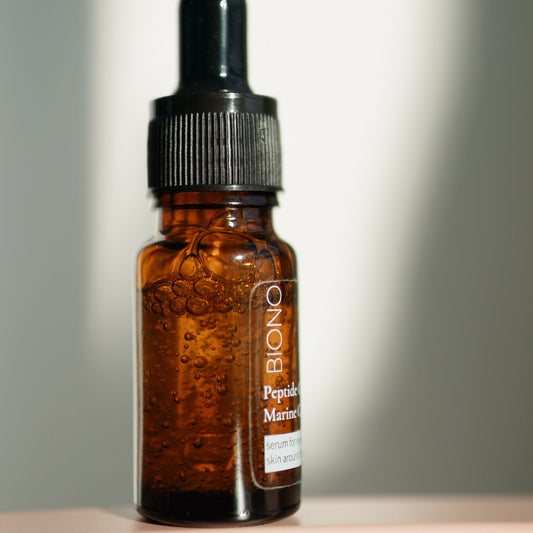
Serum for the skin around the eyes and eyelids "Peptide Complex & Marine Collagen"
Vendor:BIONORegular price ₴530.00 UAHRegular priceUnit price per -
Facial serum with Antiage Peptides & Laminaria Extract complex
Vendor:BIONORegular price From ₴198.00 UAHRegular priceUnit price per -
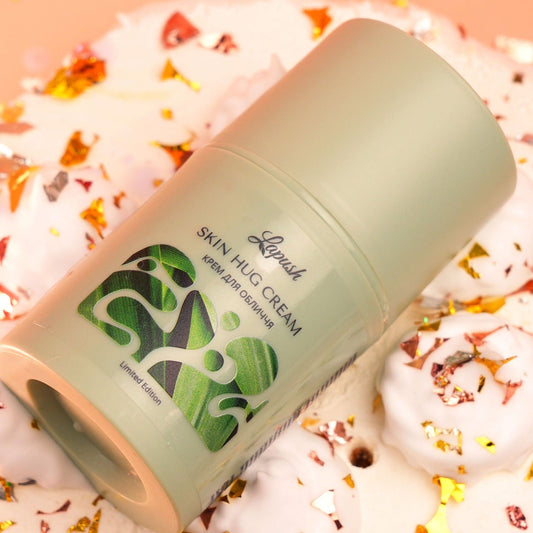
Lapush Skin Hug Cream with green tea and macadamia extract
Vendor:LapushRegular price ₴333.00 UAHRegular priceUnit price per -
Soy Isoflavones & Grape Polyphenols Facial Serum
Vendor:BIONORegular price ₴650.00 UAHRegular priceUnit price per





Frequently Asked Questions About Anti-Aging Skincare
Collapsible content
At what age should one start anti-aging skincare?
Anti-aging prevention starts much earlier than wrinkles appear. As early as 20-25 years old, sunscreen (the most powerful anti-aging tool), antioxidants (vitamin C), and regular moisturizing should be added to your routine. Active anti-aging ingredients — peptides, antioxidants, niacinamide, and richer restorative formulas — are usually introduced after 28-30 years of age, when natural collagen synthesis begins to slow down. After 40, skin care becomes more intensive: denser textures, night oils, and special products for the neck and eye area are added.
Is hydration alone enough for anti-aging skincare?
Hydration is the foundation of any anti-aging care, but to address the first signs of aging, the skin often needs additional support. With age, natural cell renewal slows down, and the synthesis of collagen and elastin decreases, causing the skin to gradually lose firmness and become more sensitive to external factors. That is why it is important to combine hydration with active ingredients in anti-aging care: peptides, antioxidants, niacinamide, and components to support the skin's barrier function. Comprehensive care helps not only maintain skin comfort and softness but also address dullness, uneven tone, loss of firmness, and the first fine lines. The best results come from a regular routine: delicate cleansing, sufficient hydration, active serums, and daily SPF protection.
Why do wrinkles appear first around the eyes?
The skin around the eyes is 4-5 times thinner than on the rest of the face, has almost no sebaceous glands, and is constantly in motion due to facial expressions (blinking, smiling, squinting). Additionally, this area is affected by lack of sleep, screens, rubbing during makeup removal, and UV rays. Therefore, the periorbital area ages faster and requires special care: light creams and serums with peptides, caffeine, niacinamide, and hyaluronic acid. They should be applied delicately, with the ring finger, using light patting motions — without stretching the skin.
Is SPF needed on cloudy days and in winter?
Yes, absolutely. Up to 80% of UVA rays penetrate clouds, and UVA rays are responsible for photoaging — deep wrinkles, loss of elasticity, and pigmentation. In winter, snow reflects up to 80% of sunlight, amplifying its effect on the skin. Therefore, SPF 30 or 50 is a daily habit year-round, regardless of the weather and how much time you spend outdoors. Without sun protection, no anti-aging product will deliver the expected results.
How to deal with age-related pigmentation?
Age spots (lentigo) are the result of accumulated ultraviolet exposure over the years. Addressing them requires a comprehensive approach: acids, vitamin C, and azelaic acid help gradually even out skin tone and treat hyperpigmentation. The results are not immediate — it takes 2-4 months of regular care for a visible reduction in pigmentation. Without sun protection, all efforts will be in vain: the pigment will return again.
How long does it take to see results from anti-aging skincare?
The first changes – hydration, smoothness, radiance – are often noticeable within 2-3 weeks. Smoothing fine wrinkles and evening out skin tone requires 6-8 weeks of regular use of active ingredients. Deeper changes – firmness, facial contour, addressing expression lines and pigmentation – become noticeable after 3-6 months of systematic care. Anti-aging is a long-term investment: the sooner you start and the more regularly you care for your skin, the longer it will remain youthful.
ЩО ТАКЕ ОНЛАЙН-АНАЛІЗ СТАНУ ШКІРИ?

ЩО ТАКЕ ОНЛАЙН-АНАЛІЗ СТАНУ ШКІРИ?
Онлайн-аналіз шкіри — це сучасний метод діагностики, який дозволяє визначити:
Ми пропонуємо професійний аналіз за допомогою детальної анкети та фотоогляду, який проводить кваліфікований спеціаліст. Усе, що вам потрібно — це кілька хвилин вільного часу та доступ до інтернету.


