Facial Seborrheic Dermatitis: Skincare Secrets Without Flare-Ups
Facial skin is the first to signal changes in the body, and redness, flaking, or itching in the creases of the nose, on the eyebrows, or along the hairline often become the first manifestations of seborrheic dermatitis. This common chronic disease can significantly affect a person's well-being and confidence, as flare-ups often occur at the least convenient time — before an important meeting, photoshoot, or festive event. Understanding the mechanisms of this condition, as well as the competent selection of cosmetic products for daily care, helps keep manifestations under control and restores skin comfort for a long time.
What is facial seborrheic dermatitis?
Facial seborrheic dermatitis is a chronic inflammatory skin disease that develops in areas with increased sebaceous gland activity. The pathological process is based on the excessive proliferation of the yeast-like fungus of the genus Malassezia, which is present in small quantities on everyone's skin, but under certain conditions begins to actively feed on skin sebum and provoke an inflammatory reaction. The result is redness, swelling, and increased epidermal flaking, which a person notices as oily yellowish or dry whitish scales.
Most often, facial seborrheic dermatitis is localized in the nasolabial folds, on the eyebrows, bridge of the nose, in the ear area, and along the hairline on the forehead and temples. The disease has a wave-like course: periods of pronounced exacerbation alternate with prolonged remission, when the skin looks almost healthy. It is this feature that often forces people to look for effective cosmetic solutions that can prolong the period of skin calm and reduce the intensity of subsequent flare-ups.

Causes of seborrheic dermatitis
The development of facial seborrheic dermatitis is rarely associated with a single cause — most often it is the result of a combination of several factors that simultaneously affect the state of the skin barrier and the activity of the sebaceous glands. In the practice of cosmetologists and dermatologists, a group of provoking factors is identified, control over which significantly reduces the frequency of exacerbations.
The main factors contributing to the appearance or intensification of seborrheic dermatitis on the face include:
- excessive activity of the Malassezia fungus against the background of increased skin oiliness;
- hormonal fluctuations, particularly during adolescence, pregnancy, or stress;
- weakened immune protection of the skin and the body as a whole;
- chronic sleep deprivation, overwork, and psycho-emotional stress;
- sharp temperature changes, cold dry air in winter;
- improperly selected cosmetics, aggressive cleansers, and alcohol toners;
- concomitant neurological or endocrine disorders.
It is important to understand that oily facial skin in itself is not a disease, but it creates a favorable environment for fungal proliferation and inflammation. Therefore, cosmetic care aimed at normalizing sebum is one of the key areas of prevention and maintaining the skin in a state of remission.
Main symptoms and signs
Recognizing facial seborrheic dermatitis at an early stage is helped by paying attention to characteristic skin changes that appear gradually and often worsen in the cold season. The most common sign is the appearance of flaking — it can look like thin dry scales or oily yellowish films that adhere tightly to the skin's surface.
In addition to flaking, a person usually experiences itching of varying intensity, a feeling of tightness, and increased sensitivity of the facial skin even to familiar cosmetic products. The skin in the affected areas looks red, swollen, and with a prolonged course, small papules and a slight thickening of the epidermis may appear. In some cases, symptoms spread to the eyebrows, where increased hair loss is noticeable due to chronic inflammation of the hair follicles.
The intensity of manifestations can vary significantly: from mild cosmetic discomfort that is only aesthetically bothersome, to pronounced inflammatory foci that interfere with daily life. That is why it is important to pay attention to early skin signals and adjust care in a timely manner, without waiting for a serious exacerbation.

How seborrheic dermatitis differs from other skin problems
Many people confuse facial seborrheic dermatitis with other dermatological conditions, as the external manifestations can be quite similar. Most often, confusion arises with psoriasis, rosacea, atopic, and contact dermatitis — each of these conditions has its own nature and requires a special approach to care.
Unlike psoriasis, which is characterized by clear silvery-white scales on thickened skin, seborrheic dermatitis causes more oily, diffuse flaking without sharp outlines of foci. Rosacea, in turn, manifests as persistent vascular redness and is not accompanied by such pronounced flaking as seborrhea. Atopic dermatitis is more often associated with dry skin, allergic predisposition, and spreads not only to the face but also to other parts of the body. Accurate differentiation of these conditions is important, as cosmetic products effective for one problem may be insufficiently effective or even irritate the skin for another.
Interesting facts about facial seborrheic dermatitis
Facial seborrheic dermatitis is surrounded by a considerable number of myths and subtle details that are worth knowing to approach the problem more calmly and consciously. Some of these facts explain why the condition behaves so unpredictably, while others help dispel unnecessary fears about the "fungal" nature of the disease.
Among the most interesting and at the same time practically useful facts about seborrheic dermatitis, it is worth highlighting the following:
- in newborns, the same phenomenon is called cradle cap, or milk crust on the head, and in most cases, it disappears on its own within the first months of life without any treatment;
- the Malassezia fungus, which provokes exacerbations, lives on the skin of almost every person — the problem arises not because of its presence, but because of the excessive reaction of specific skin to it;
- facial seborrheic dermatitis is not transmitted from person to person even with close contact, as it is an inflammatory, not an infectious, process;
- men suffer from seborrheic dermatitis slightly more often than women, which is associated with higher testosterone levels and increased sebaceous gland activity;
- the most severe exacerbations in most people are recorded not in summer, but in early spring and late autumn, when the skin adapts to sharp changes in air humidity;
- in some people, mild manifestations of seborrheic dermatitis on the scalp are perceived simply as "ordinary dandruff," although they have the same nature as rashes on the face.
Understanding these features removes some of the anxiety around the diagnosis and helps to perceive facial seborrheic dermatitis not as a sentence, but as a skin condition that can be controlled with proper, consistent care.

Rules for facial skin care
Daily care plays a crucial role in controlling facial seborrheic dermatitis, as properly selected products help soothe inflammation, restore the skin's protective barrier, and reduce the activity of the Malassezia fungus. The main principle of such care is gentleness and consistency, without drastic changes in routine and excessive experimentation with new products during an exacerbation.
Basic recommendations for daily care of skin prone to seborrheic dermatitis include:
- cleansing with mild products without aggressive surfactants, alcohol, and sulfates;
- using moisturizing creams with a light non-comedogenic texture;
- regular use of products with antifungal or sebum-regulating components;
- avoiding hot water, steaming procedures, and mechanical scrubbing;
- protecting the skin from the sun with light sunscreen formulas;
- gradual, rather than simultaneous, introduction of new cosmetic products into the routine.
Adhering to these simple rules reduces the frequency of exacerbations and extends the periods when the skin looks clean and well-groomed, without the need for intensive medical intervention.
Cosmetics and ingredients that help with seborrheic dermatitis
The selection of cosmetics for skin with facial seborrheic dermatitis requires special attention to the composition and texture of products, as even a slight mistake can provoke a new exacerbation. Cosmetologists and dermatologists recommend focusing on products with proven sebum-regulating, anti-inflammatory, and antimicrobial action, which at the same time do not disrupt the natural lipid barrier of the skin.
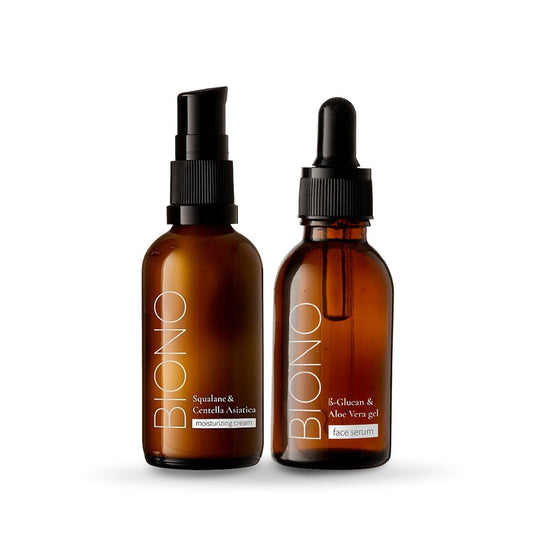
Among the components that traditionally show good effectiveness in caring for seborrhea-prone skin are zinc pyrithione, nicotinamide, panthenol, extracts of centella asiatica and birch tree, as well as mild forms of salicylic acid. Such ingredients help soothe redness, control sebum production, and gradually restore the balance of skin microflora. It is important to choose products labeled "non-comedogenic" and avoid dense oily textures that can enhance fungal growth with excess lipids.
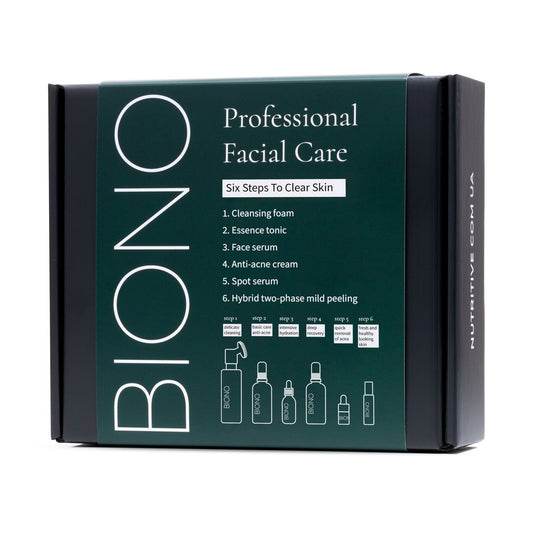
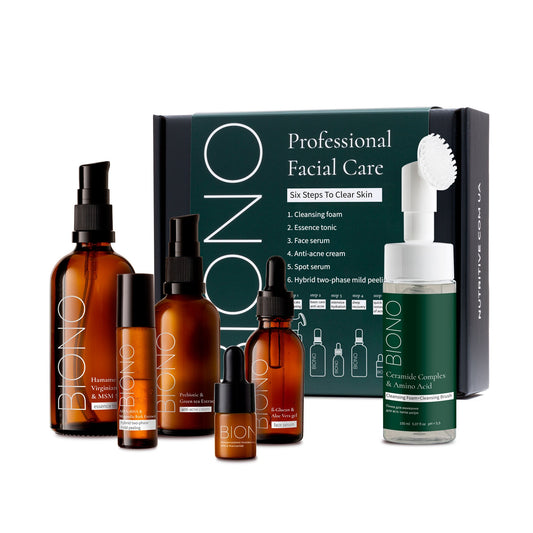
Cosmetic lines for problematic and seborrhea-prone skin usually include cleansing gels, light emulsions, serums with a mattifying effect, and spot treatments for areas of pronounced inflammation. Comprehensive use of such products in the daily routine gives a more stable result than using one separate product, as each stage of care — from cleansing to final moisturizing — affects the overall state of the skin barrier.
Common mistakes in caring for skin with seborrheic dermatitis
Even with the best intentions, people often make mistakes in their care routine that only worsen the manifestations of facial seborrheic dermatitis instead of alleviating them. Understanding these typical blunders helps to adjust the routine and avoid unnecessary irritation to already sensitive skin.
The most common mistakes to avoid when caring for skin prone to seborrheic dermatitis are:
- excessively frequent facial cleansing, leading to over-drying and compensatory sebum production;
- using alcohol-based toners and aggressive scrubs that damage the protective barrier;
- ignoring moisturizing for fear of "overfeeding" oily skin;
- applying thick creams and oils in areas of active inflammation;
- drastically changing the entire cosmetic routine at once during an exacerbation;
- self-prolonged use of hormonal agents without specialist supervision.
Avoiding these mistakes significantly increases the effectiveness of chosen cosmetic products and allows the skin to recover faster after each episode of exacerbation.
Prevention of facial seborrheic dermatitis
The prevention of facial seborrheic dermatitis is based on a comprehensive approach that combines competent cosmetic care with general body wellness. Since stress, lack of sleep, and chronic overwork are powerful triggers for exacerbations, normalizing sleep patterns and psycho-emotional state often yields results as noticeable as changing cosmetic products.
Regular use of mild cleansers, sebum-regulating serums, and light moisturizing creams helps maintain the skin in a state of stable remission even during periods of increased stress. Special attention should be paid to seasonality: in autumn and winter, when the air becomes drier and temperature fluctuations more drastic, the skin requires more thorough restoration of its barrier functions. A conscious approach to nutrition, sufficient water intake, and moderate physical activity also positively affect the overall skin condition and reduce the risk of new flare-ups.
When to consult a dermatologist
Cosmetic care is an important component in controlling facial seborrheic dermatitis, but it cannot always completely replace a specialist consultation. If symptoms worsen despite thorough home care, pronounced inflammatory foci appear, prolonged itching, or signs of secondary infection, it is worth consulting a dermatologist for an accurate diagnosis and selection of additional treatment.
The doctor may prescribe targeted antifungal drugs, short courses of topical agents to relieve acute inflammation, or other therapeutic methods that will complement cosmetic care and help achieve stable remission more quickly. Self-prolonged use of potent agents without specialist supervision can harm the skin, so in complex or prolonged cases, professional consultation remains the safest solution.
Summary: how to maintain skin health with seborrheic dermatitis
Facial seborrheic dermatitis is a chronic but well-controlled condition that requires a systematic approach: understanding the causes, careful monitoring of symptoms, and properly selected daily care. A combination of gentle cleansing, sebum-regulating and anti-inflammatory components, and avoiding typical mistakes in the routine allows significantly extending periods of remission and restoring the skin's comfortable, healthy appearance without constant feelings of tightness or itching.
Caring for skin prone to seborrheic dermatitis is not a one-time action but a consistent habit that over time yields stable and noticeable results. Properly selected cosmetics, attention to seasonal changes in the skin, and timely consultation with a specialist in more complex cases create a reliable foundation for long-term control of the disease and confidence in one's reflection in the mirror every day.