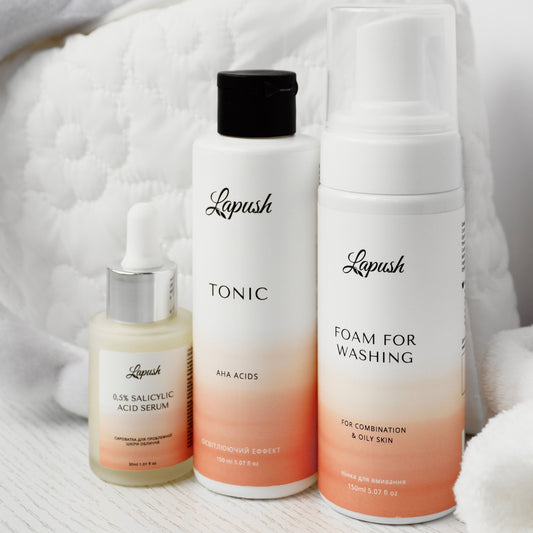
Face Washes: What Really Works
The condition of your facial skin directly depends on how you cleanse it. The wrong facial cleanser can cause dehydration, breakouts, premature aging, and disruption of the skin’s microbiome—even if the rest of your skincare routine is perfect. Cleansing is the foundation on which your entire beauty routine rests, and its quality determines how effectively the serums, creams, and actives you apply afterward will work.
Face washes: what's behind the different formats
The modern cosmetics market offers dozens of formats of face washes — and each of them has its own logic of application and its target audience. Gels, foams, micellar waters, balms, oils and mousses — are not just marketing variety, but different approaches to cleansing that take into account skin texture, level of pollution and even a person’s lifestyle. Understanding the difference between them allows you to make a truly informed choice, and not just buy what looks beautiful on the shelf.
Gels are one of the most popular formats among face washes. They have a light watery texture, foam quickly and rinse well without leaving a film. Gels are suitable for normal, combination and oily skin, and in the enriched version - for dry skin. Foams and mousses have a more airy consistency and have a more delicate effect on the skin, so they are often chosen by owners of sensitive or thin skin that reacts to any excessive influence.
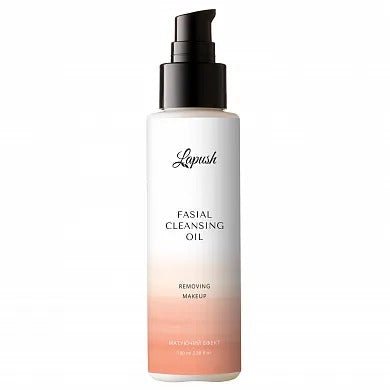
Balms and cleansing oils are a format that came from Japanese beauty culture and have won the hearts of those who practice double cleansing. They effectively dissolve persistent makeup and excess sebum without disrupting the lipid barrier. This is especially important for dry and mature skin, which needs gentle but deep cleansing without a feeling of tightness after washing. Facial cleansers in balm format are becoming increasingly popular among a younger audience that appreciates multifunctionality.

Top face washes: what to look for when choosing
When compiling your own top facial cleansers, it’s important to understand that there is no single best product for everyone. Every skin is unique, and what works perfectly for your friend may not work for you at all. However, there are clear criteria by which you can evaluate the quality of any cleanser — regardless of brand, price, or packaging.
Here are the key parameters to pay attention to:
- Surfactant composition: quality products contain mild surfactants - cocoglucoside, sodium lauroyl sarcosinate, decyl glucoside. Aggressive SLS and SLES are best avoided, especially for sensitive skin.
- pH of the formula: the optimal indicator is from 4.5 to 5.5, which corresponds to the natural acid mantle of the skin
- The presence of active ingredients: hyaluronic acid, panthenol, niacinamide, plant extracts - all this increases the value of the product
- No irritants: artificial fragrances, high concentrations of alcohol, and chemical preservatives can provoke reactions even in allergy-resistant skin
- Format and texture: should match your skin type and your daily routine
Practitioners of cosmetology advise to update the means for washing of a face depending on a season. The light gel which coped perfectly in summer can be too drying in winter — and then it is necessary to switch to more nourishing cream-gel or foam with oils. Such approach to seasonal care allows to keep skin balanced all year round and not to experience stress from sharp climatic changes.
Facial cleansers: the difference between cleansing and injuring
Facial cleansers have a single purpose — to remove all excess from the surface of the skin without damaging the protective barrier. This is where the main trap lies: in the pursuit of "cleanliness", many people choose overly aggressive products that leave a feeling of perfect cleanliness, but in fact destroy the lipid layer and disrupt the microbiome. The feeling of "creaking" after washing is not a sign of cleanliness, but an alarm signal from your skin.
The right facial cleansers leave a feeling of freshness without tightness after application and rinsing, do not change the complexion and do not provoke redness. If after washing you feel discomfort, see dry areas or notice an increase in oily shine after an hour - this is a clear signal that the product is not suitable for you. Skin, which is injured daily by aggressive cleansing, begins to produce more sebum as a protective reaction, which only exacerbates the problem.
It is worth mentioning scrubs and exfoliants separately. They are part of the facial skin cleansing system, but not a means for daily use. Physical exfoliation 1-2 times a week complements the main cleansing agent, but does not replace it. Chemical exfoliants with AHA/BHA acids are more effective and gentler than scrubs with abrasive particles, and are better suited for regular use - especially for sensitive and inflammation-prone skin.
Gel cleanser for problem skin: what really works
A cleansing gel for problem skin is one of the most important products in the care of skin prone to acne, rashes or seborrheic manifestations. The choice here is especially responsible: the wrong product can increase inflammation, dry out the skin or, conversely, provoke additional comedones. An effective gel for problem skin should combine deep cleansing of pores with a soothing and anti-inflammatory effect.
Key ingredients that should be included in a cleansing gel for problematic skin:
- Salicylic acid (BHA) — dissolves in fats, penetrates deep into pores and dissolves blockages that cause blackheads and closed comedones
- Niacinamide — regulates sebum production, tightens pores and reduces redness around inflammation
- Zinc is a natural antibacterial agent that inhibits the growth of bacteria responsible for acne.
- Tea tree extract is a natural antiseptic with proven effectiveness against P. acnes
- Allantoin or panthenol - soothe the skin after cleansing and accelerate the healing of minor inflammations
It is important to understand: a cleansing gel for problem skin should not be aggressive. One of the most common mistakes is to choose a product with the maximum concentration of active ingredients in the hope of getting a faster result. But overdried skin reacts by increasing sebum secretion, which closes the vicious circle. The optimal strategy is a gentle but targeted gel, used twice a day in combination with a suitable moisturizer for problem skin.
Beauticians also pay attention to the temperature of the water when using a cleansing gel for problem skin. Hot water expands pores and can provoke additional inflammation, while ice water will constrict blood vessels, but will not provide proper cleansing. The ideal option is warm water for applying the gel and cool for the final rinse, which helps to slightly narrow the pores after cleansing.

How to wash your hands properly: an often ignored technique
Even the best face washes won't work without the right application technique. You should start washing your face with clean hands — this is a basic rule that is violated much more often than you think. Applying gel or foam with dirty hands negates the entire cleansing effect and can further infect the skin, especially if there are open inflammations.
The optimal amount of product is the size of a pea or a small coin. More does not mean better: excess product makes it difficult to wash off and can leave residue in the pores. It is better to foam the product on the palms, and only then apply to the skin of the face with light massage movements, moving from the center to the periphery. The area around the eyes requires special care - the skin here is thinner and more sensitive to any mechanical impact.
Rinse off the cleanser thoroughly, especially in the areas along the hairline, behind the ears and around the nose. This is where traces of facial cleansers most often remain, which over time clog pores and provoke rashes. After rinsing, pat the skin dry with a clean towel without rubbing, do not wipe it in any way. And immediately proceed to the next step of care while the skin is still slightly damp - this helps to better absorb the moisturizing components of the toner or essence.
Seasonal change of detergents: when and why
Skin is a living organ that responds to changes in climate, humidity, temperature, and seasonal stress. A facial cleanser that was perfect in the summer may become uncomfortable in the fall—and that’s perfectly normal, not a sign that the product has suddenly “stopped working.” Adjusting your skincare routine seasonally is a sign of good skin care, not a fad.
In the summer, the skin produces more sebum due to heat and high humidity, so facial cleansers during this period can be lighter, with mattifying ingredients and a more pronounced antibacterial effect. Gels with salicylic acid or zinc help keep oiliness under control and prevent clogged pores. In winter, the situation changes dramatically: central heating and cold air outside dehydrate the skin, so it is worth switching to more nourishing cream-gels or foams with glycerin and ceramides.
Transitional seasons — autumn and spring — are often the most difficult for the skin. Sharp temperature changes, changes in diet and seasonal decrease in immunity can provoke rashes or increased sensitivity. It is at this time that you should temporarily switch to the mildest face wash available to you — with a minimal composition, without aggressive active ingredients, but with a mandatory moisturizing component. This will allow the skin to adapt to new conditions without additional stress.
Proper cleansing is the foundation of healthy and radiant facial skin
Face wash is not a secondary element of care, but its foundation. The effectiveness of the rest of the cosmetics, the condition of the pores, the level of hydration and the overall appearance of the skin depend on how competently you approach cleansing. The top face washes in your case are those products that match your skin type, season, lifestyle and real needs, not those with the most reviews on the Internet or the brightest packaging.
Choose your facial cleanser with an understanding of its ingredients, listen to your skin's reaction, and don't be afraid to change the product if it doesn't give the expected result. A cleansing gel for problem skin, a moisturizing gel cream, or a delicate foam - each of these formats exists for a reason, and choosing the right one among them is the first and most important step towards skin that you will be proud of every day.