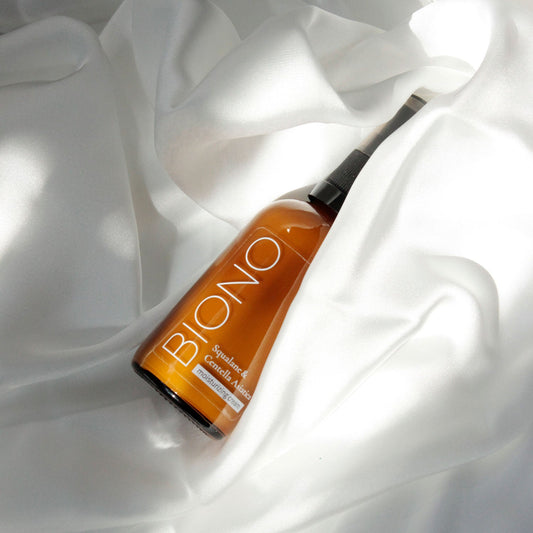
Squalane in cosmetics: face, hair and skin care
Among the hundreds of active ingredients that appear on cosmetic labels every day, squalane remains one of the most underrated and yet most effective. This lightweight oil, which our body produces on its own, can transform your skincare routine into a true restorative ritual. If you’re looking for an ingredient that suits literally every skin type — from oily to atopic — squalane in cosmetics deserves your attention.
What is squalane and why is it important for the skin?
Squalane is a stabilized, hydrogenated form of squalene, a natural lipid produced by the human sebaceous glands. Squalene in its pure form oxidizes quickly in air, so for cosmetic formulas it is converted into the more stable squalane. It is thanks to this stability that it does not go rancid, does not lose its properties and combines perfectly with other active ingredients. Most modern manufacturers obtain squalane from olives or sugar cane, which makes it a completely vegan and environmentally friendly component.
The main advantage of this substance is biocompatibility. Since squalane is as close in structure as possible to the natural lipids of our skin, it does not cause allergic reactions and does not provoke comedones. The squalane molecule easily penetrates the epidermis, leaving no greasy film, while effectively retaining moisture and maintaining the integrity of the lipid barrier. That is why cosmetics with squalane are suitable even for the most sensitive skin, including the skin of babies and people with dermatitis.
Among the key properties of squalane that make it so popular in the cosmetics industry, it is worth highlighting:
- Antioxidant protection — neutralizes free radicals and slows down premature aging of skin cells.
- Emollient action - fills the space between epidermal cells, making the skin smooth and velvety to the touch.
- Barrier function - strengthens the hydrolipidic mantle, protecting against external irritants and dehydration.
- Anti-inflammatory effect — reduces redness and helps soothe irritated or reactive skin.
Fun fact: After the age of 25, the body’s natural production of squalene begins to decline by about 10–12% per decade. This is one of the reasons why skin becomes drier and duller with age. Applying squalene topically helps to compensate for this deficiency, restoring a fresh and hydrated appearance to the face without the risk of clogging pores.

Squalane for the face: how it works and who is it suitable for?
Squalane for the face is perhaps the most popular way to use this ingredient. In its pure form, it resembles a light, almost weightless oil that is instantly absorbed. In practice, this means that it can be applied as a standalone product or mixed with your favorite cream or serum. Cosmetologists often recommend adding two to three drops of squalane to a night cream to enhance its moisturizing properties.
When it comes to skin types, squalane for the face demonstrates unique versatility. For dry skin, it works as a powerful emollient, filling microcracks and preventing transepidermal moisture loss. For oily and combination skin, it helps regulate the work of the sebaceous glands, because when the skin receives enough moisture from the outside, it stops producing sebum excessively. The result is less shine, narrowed pores and an even tone.
It is worth mentioning the use of squalane for acne. Many people are afraid to apply oils to problem skin, but squalane has a zero comedogenic index. Moreover, it has mild antibacterial properties and reduces inflammatory processes. According to dermatologists, patients who included squalane in their care protocol noted a decrease in redness and faster healing of post-acne after two to three weeks of regular use.
Squalane cream: what to look for when choosing
Choosing a cream with the content squalane, it is important to understand that not all formulas are the same. The concentration of squalane can vary from a symbolic 1–2% to a full 100% in pure oils. For daily care, products where squalane is among the first five ingredients in the composition are considered optimal - this indicates its sufficient amount for a real effect. It is also worth paying attention to the accompanying components: squalane works best in combination with hyaluronic acid, ceramides and vitamin E.
When choosing a squalane cream, pay attention to the following parameters:
- The origin of squalane - vegetable (from olives or sugar cane) is considered more ethical and stable than animal from shark liver.
- Texture and finish – a quality cream with squalane should not leave a sticky or greasy layer; it should be absorbed within a minute.
- Additional active ingredients - ceramide complex, niacinamide or panthenol in the composition will enhance the restorative effect of squalane.
- Absence of irritants - avoid products with perfumes and ethyl alcohol, especially if your skin is sensitive or reactive.
Another practical tip: squalane cream works best as the final step of your routine before SPF. Apply a water-based serum first, let it sink in, and then top it all off with a squalane cream. This way, you’ll create a “sandwich” of moisture and lipids that lasts all day and protects your skin from external aggressors.
Squalane for hair: the secret to shine and softness
Squalane for hair is a trend that has been gaining popularity in recent years, although it has been used in Asian cosmetology for decades. The light molecular structure allows squalane to envelop each hair without weighing it down. Unlike heavy oils like castor or coconut, squalane does not create the effect of “dirty hair” and does not require double washing to completely remove it.
In practice, squalane is used for hair in several ways. First, as a leave-in treatment: one or two drops are rubbed in the palms of your hands and applied to damp ends after washing - this instantly removes frizz and adds healthy shine. Second, as an ingredient in masks: it is mixed with honey and egg yolk to deeply nourish damaged hair. Third, as protection before heat styling - a thin layer of squalane reduces damage from hair dryers and irons.
Squalane is especially effective for hair that has been chemically treated: dyed, lightened, or keratin straightened. In such cases, the hair cuticle becomes porous and loses its natural lipids. Squalane fills these cavities, restoring smoothness and elasticity. Trichologists note that regular use of products with squalane reduces the fragility of dyed hair by 30–40% in just a month of use.

Squalane in cosmetics: product types and formats
Squalane is widely available in cosmetics, from light micellar waters to rich body balms. This variety of formats allows everyone to find the product that will fit perfectly into their routine. Today, manufacturers add squalane to almost all categories of products, and this is not a tribute to fashion, but a well-founded decision, confirmed by clinical studies.
Here are the main formats in which you can find squalane in cosmetics:
- Pure oils (100% squalane) are a minimalist approach for those who like to control dosage. Suitable for face, body and hair at the same time.
- Serums and boosters — usually contain squalane combined with hyaluronic acid or retinol for an enhanced effect.
- Creams and lotions are a classic format for daily moisturizing, where squalane acts as the main emollient.
- Cleansing products - hydrophilic oils and balms with squalane delicately dissolve makeup without disrupting the lipid barrier.
- Lip products - balms and oils based on squalane perfectly protect the delicate skin of the lips from weathering and cracks.
It is worth noting that squalane is often used in cosmetics as a carrier base for other active ingredients. For example, retinol in a squalane base is less irritating to the skin while maintaining its effectiveness. This makes squalane not just a moisturizer, but a full-fledged technological component that improves the formula of any product.
How to properly include squalane in your daily care
One of the most common questions from customers is how to integrate squalane into an existing routine so as not to overdo it and get the most benefits. The main rule is simple: squalane is applied after water-based products (tonics, essences, serums), but before thick creams and sunscreen. This sequence allows you to “seal” all the moisture that you delivered to the skin in the previous stages.
For morning care, two or three drops of pure squalane or one layer of cream with this component is enough. In the evening, you can increase the amount, especially in the cold season, when the skin is subjected to additional stress from heating and wind. If you use retinol or acids, squalane will be an ideal partner - it soothes possible irritation and accelerates skin recovery after active peeling.
The optimal sequence for applying squalane products is as follows:
- Step 1: cleansing — soft foam or hydrophilic oil with squalane to gently remove impurities without overdrying.
- Step 2: toner or essence — a water-based product with hyaluronic acid to saturate the skin with moisture.
- Step 3: Serum — an active concentrate with niacinamide, vitamin C, or peptides according to the skin's needs.
- Step 4: Squalane — two to three drops of pure oil or cream with squalane to seal in moisture and nourishment.
- Step 5: SPF (morning) — sunscreen as the final step of morning care.
Another useful tip from the practice of cosmetologists: try the “squalane booster” method. Add three to four drops of pure squalane directly to your day or night cream right in the palm of your hand before applying. This approach is especially relevant in the transitional seasons - in spring and autumn, when the skin needs additional support, but a full transition to a more oily care is not yet necessary.
Common myths about squalane: debunking the misconceptions
Despite its growing popularity, there are many misconceptions surrounding squalane that prevent people from using it to its full potential. The most common myth is that oil on the face will definitely cause a rash. As we have already found out, squalane is non-comedogenic and, on the contrary, helps regulate sebum secretion. Another myth is that squalane is “taken from sharks”. Modern cosmetic squalane is 95% plant-based.
Another common misconception is that squalane and squalene are one and the same. In fact, the difference is significant: squalene is unstable, oxidizes quickly and can even provoke inflammatory processes. Squalane, on the contrary, is chemically inert and retains its properties for a long time. That is why in the composition of high-quality cosmetics you will see exactly “squalane”, and not “squalene”. Be careful with the labeling - this one letter is of great importance.
The third myth is that squalane is only suitable for winter care. This is not true: thanks to its light texture, it is also ideal for summer. In the hot season, squalane protects the skin from dehydration caused by air conditioners and the sun, without adding unnecessary shine. Many users who tried it in the summer admit that they no longer go back to heavy creams even in the cold season.
Squalane Reviews: What Real Users Say
The best way to assess the effectiveness of any cosmetic ingredient is to listen to those who have already tried it on themselves. Reviews about squalane on forums and social networks are mostly positive, and people with completely different skin types praise it. Here are some real stories that are most often found among customers of our store and in thematic communities.
Olena, 34, combination skin with periodic breakouts: “I was afraid of oils for a long time because I had an experience with coconut oil, which made my whole face break out. Squalane is a completely different story. I started with two drops at night, and in three weeks I noticed that my skin became smoother, the peeling on my cheeks disappeared, and there was less shine on the T-zone. Now this is my must-do step both in winter and summer.” Similar impressions are confirmed by Marina, 28, sensitive skin with rosacea: “The dermatologist recommended squalane as a safe emollient that does not provoke exacerbation. I have been mixing it with a night cream for six months now — the redness has become less frequent, and the skin has finally stopped “burning” after washing.”
Many reviews also concern squalane for hair. Kateryna, 41 years old, bleached hair: "After blonding, the ends were like straw - nothing helped. A friend advised me to apply a couple of drops of squalane to wet hair. I saw the effect immediately: smoothness, shine, and no weight. Now I use it instead of silicone heat-protective oil." Such an experience is typical - squalane works gently, cumulatively and without side effects, which is confirmed by hundreds of customer reviews from different countries.
Who is contraindicated with squalane and are there any restrictions?
Squalane is considered one of the safest cosmetic ingredients, and there are practically no real contraindications to its use. However, there are a few nuances that should be taken into account for the most comfortable experience. The first concerns individual intolerance: although allergies to squalane are extremely rare, it is better to do a patch test on the inside of the wrist before using a new product for the first time.
The second point is related to skin diseases in the acute stage. In case of active dermatitis, rosacea or eczema, any new product should be introduced only after consulting a dermatologist. Squalane itself is not harmful in these conditions, but the accompanying components in the cream or serum can be irritants. Therefore, choose the simplest formulas with a short list of ingredients.
Finally, it is important to remember that squalane is an emollient, not a moisturizer in the classical sense. It retains existing moisture, but does not bring new ones. Therefore, to achieve the best result, it should always be combined with humectants - hyaluronic acid, glycerin or aloe. Such a tandem provides full hydration at all levels of the epidermis.
Conclusion: squalane is a universal helper in your beauty routine
Squalane is deservedly one of the leading places among the most effective cosmetic ingredients of our time. Its unique biocompatibility, light texture and ability to work on any skin type make it indispensable for those who seek simple but effective care. From facial hydration to damaged hair restoration - the range of its applications is impressive, and clinical data only confirms its effectiveness.
If you haven't tried squalane in your skincare routine yet, start simple: choose a pure oil or cream that features it as a main ingredient and use it daily for a month. Results are usually visible within two weeks - skin becomes softer, smoother and radiates a healthy glow. And for hair, a few drops on the ends after each wash are enough to forget about dryness and brittleness. Add squalane to your makeup bag - and you will understand why this humble ingredient has become a favorite of dermatologists around the world.