Beta-glucan for skin: moisturizing, restoring and protecting the face
Beta-glucan is one of the most effective bioactive ingredients in modern cosmetology, combining powerful moisturizing, soothing and regenerating properties. This natural polysaccharide is able to transform the condition of even the most sensitive and damaged skin, stimulating its natural protective mechanisms. Cosmetologists and dermatologists are increasingly recommending beta-glucan in cosmetics as a universal soldier for comprehensive care, as it demonstrates visible results without the risk of irritation or allergic reactions.
Natural Defender: What is Beta Glucan?
Beta-glucan is a complex carbohydrate (polysaccharide) found in the cell walls of yeast, mushrooms, oats, barley and some algae. In cosmetology, beta-glucan derived from baker's yeast (Saccharomyces cerevisiae) or oats is most often used, as these sources provide the highest biological activity and skin compatibility. The molecular structure of this polysaccharide is unique: it allows it to easily penetrate the epidermis and interact with the skin's immune cells, activating the natural processes of regeneration and protection.
Unlike many synthetic ingredients, beta-glucan for skin is a completely natural component that our body recognizes and accepts as its own. This explains its exceptionally high tolerance and lack of side effects, even when used on hypersensitive, reactive or damaged skin. The skin's immune system has special receptors (dectin-1) that recognize beta-glucan and trigger a cascade of protective and restorative reactions.
The history of the use of beta-glucans in medicine and cosmetology dates back decades of research. Initially, they were used to heal burns and wounds, and only later did cosmetic brands discover their potential for daily care. Today, beta-glucan in cosmetics is considered one of the most researched and scientifically proven ingredients, the effectiveness of which is confirmed by hundreds of clinical trials and the real experience of millions of users around the world.

How beta-glucan works: mechanism of action on the skin
The uniqueness of beta-glucan lies in its ability to stimulate the skin's immune system, activating the work of Langerhans cells and macrophages - the natural defenders of the epidermis. When beta-glucan enters the skin, these cells recognize its molecular structure and begin to more actively produce protective factors, accelerate regeneration and fight oxidative stress. This is like a natural vaccination of the skin, making it stronger and more resistant to external aggressors.
The second important mechanism of action is the formation of a thin protective film on the skin surface. Beta-glucan acts as a barrier for the skin, preventing transepidermal moisture loss, but at the same time does not clog pores and allows the skin to breathe. This film also protects against the negative effects of pollution, free radicals and other environmental factors. The result is that the skin remains moisturized, smooth and protected throughout the day, even in adverse urban conditions or dry indoor air.
The third aspect of beta-glucan’s effect is its powerful antioxidant activity. It neutralizes free radicals that destroy collagen and elastin, leading to premature aging. By stimulating the synthesis of the skin’s own antioxidant enzymes, beta-glucan provides long-term protection against photoaging, pollution, and other stress factors. This makes it an indispensable component of anti-aging and protective care for skin of any age.
Benefits of beta-glucan in cosmetics for different skin types
The versatility of beta-glucan allows it to address a wide range of skin concerns, suitable for absolutely all skin types. The main benefits that make this ingredient so popular are:
- Deep and long-lasting hydration thanks to the ability to retain moisture 20 times its own weight, exceeding even hyaluronic acid
- Accelerates the healing of micro-damages, scratches, post-acne and rash marks by 30-40% faster compared to conventional care
- Reduction of redness and inflammation within 24-48 hours thanks to powerful anti-inflammatory action
- Strengthening the skin's protective barrier and increasing its resistance to stress factors
- Stimulating collagen production and improving skin elasticity, making it smoother and firmer
Beta-glucan in cosmetics is especially valuable for sensitive, reactive and couperose-prone skin. It reduces hypersensitivity, soothes and reduces reactivity to external stimuli. People with rosacea, eczema or atopic dermatitis note a significant improvement in their skin condition with regular use of products with beta-glucan - the frequency of exacerbations decreases, the skin becomes calmer and less prone to reactions.
For mature skin, beta-glucan works as a gentle yet effective anti-aging ingredient. It not only moisturizes and smoothes wrinkles, but also stimulates rejuvenation processes at the cellular level. Regular use of beta-glucan cream helps improve skin density, even out tone, reduce the appearance of age spots and restore a healthy glow. At the same time, it is absolutely safe and non-addictive, unlike some aggressive anti-aging ingredients.
Beta-glucan cream and other forms of release
Cosmetic brands produce beta-glucan in various formats, each with its own specific application. The most popular form is beta-glucan cream - it usually contains a concentration of the ingredient from 2% to 5% and combines it with other moisturizing and nourishing components. Beta-glucan cream is ideal for daily use, providing comprehensive care: moisturizing, nourishing, protecting and restoring at the same time.
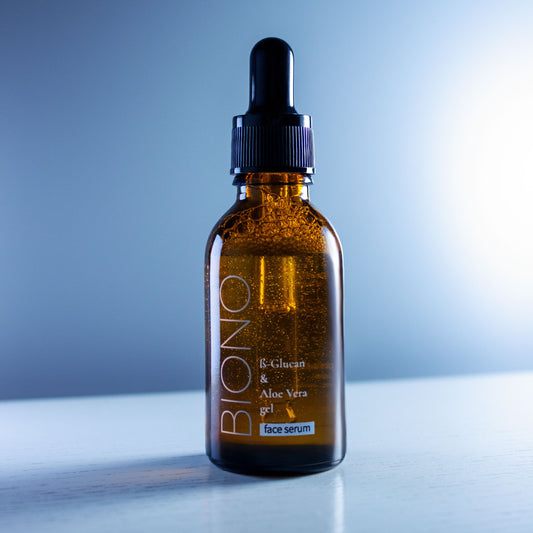
Serums with beta-glucan contain a higher concentration of the active ingredient (up to 10%) and have a lighter texture, which allows them to penetrate deeper into the skin. They are ideal for intensive care, especially in case of damage, after aggressive procedures or during periods of increased sensitivity. The serum is applied before the cream and enhances the effectiveness of the entire care routine. Masks with beta-glucan provide a quick SOS effect, soothing and restoring the skin within 15-20 minutes.
Sheet masks, eye patches, after-sun gels, post-peeling products - beta-glucan for the skin is used in a wide variety of products. Even in cleansers and toners, its presence makes cleansing more gentle and does not overdry the skin. When choosing a format, focus on your skin type: for oily skin, light gels and serums are better, for dry skin - nourishing creams, for sensitive skin - universal emulsions with a minimal list of additional ingredients.

How to properly use beta-glucan in care
Introducing beta-glucan into your daily care routine does not require any special knowledge, but following a few simple rules will increase its effectiveness:
- Apply beta-glucan products to cleansed and moisturized (with toner or hydrolate) skin for better penetration.
- Use twice a day - in the morning for protection and in the evening for repair.
- If using serum, apply it before cream and allow it to absorb completely (30-60 seconds)
- For intensive recovery after sun, peeling or during exacerbations, apply a thick layer as a mask for 15-20 minutes.
- Combine with SPF during the day for enhanced protection against UV rays and pollution
There is no adaptation period required - beta-glucan in cosmetics can be introduced into the care immediately in full without the risk of negative reactions. On the contrary, the sooner you start using it, the sooner you will feel an improvement in the skin condition. The first results become noticeable after 3-5 days: the skin becomes more moisturized, redness decreases, and the texture improves. The maximum effect of strengthening the protective barrier and increasing resistance is achieved after 4-6 weeks of regular use.
The amount of product matters, but more is not always better. For serums, 3-4 drops are enough, for creams, a small pea the size of a pearl. Beta-glucan works effectively even in small amounts, the main thing is regularity. Spread the product evenly over the face, neck and décolleté with light massaging movements, helping the active ingredients to penetrate the skin better.
Synergy of beta-glucan with other cosmetic ingredients
One of the biggest advantages of beta-glucan is its absolute compatibility with almost all active ingredients in cosmetics. It works perfectly in tandem with hyaluronic acid, creating a powerful moisturizing duo: hyaluronic acid attracts moisture, while beta-glucan retains it and strengthens the barrier, preventing evaporation. This combination is ideal for dehydrated, dry and sensitive skin, especially in the cold season or in dry air-conditioned conditions.
With anti-aging ingredients, beta-glucan for the skin also shows excellent synergy. The combination with retinol is particularly valuable: beta-glucan mitigates potential irritation from retinoids, allowing the skin to adapt faster and more comfortably. With peptides, it enhances their regenerative effect, stimulating the synthesis of collagen and elastin. Vitamin C in combination with beta-glucan works more effectively by strengthening the protective barrier, which allows ascorbic acid to better demonstrate its brightening and antioxidant properties.
For problematic skin, a combination of beta-glucan with niacinamide, azelaic acid or zinc is useful. These ingredients fight rashes and inflammation, and beta-glucan accelerates healing, reduces post-inflammatory hyperpigmentation and prevents scarring. It is also compatible with AHA/BHA acids and is even recommended, as it restores the barrier after exfoliation and reduces the risk of irritation. Its versatility and safety make beta-glucan an ideal basic ingredient for any care routine.
Beta-glucan: benefits and harms for various skin conditions
Speaking of beta-glucan benefits and harms, it is worth noting that the benefits far outweigh the potential risks, which are actually minimal. The main benefit lies in the comprehensive effect on all aspects of skin health at the same time. This is not a highly specialized ingredient that solves one problem - it works systemically, improving the overall condition and increasing the skin's natural ability to self-repair.
Main benefits for skin health:
- Powerful moisturizing effect without greasiness or clogging pores, suitable even for oily and combination skin
- Recovery after aggressive procedures (laser, peels, dermabrasion) is 40% faster thanks to stimulation of regeneration
- Reduction of symptoms of rosacea, eczema and atopic dermatitis with regular use
- Prevention and reduction of photoaging due to antioxidant activity
- Increasing the effectiveness of other active ingredients by strengthening the barrier and improving permeability
In terms of potential harm, beta-glucan is considered one of the safest ingredients in cosmetics. Cases of negative reactions are extremely rare and are usually not associated with beta-glucan itself, but with other components of the formula or individual intolerance. Unlike many active ingredients, it does not cause photosensitivity, so it can be safely used in the summer without additional restrictions.
The only point of caution is the theoretical possibility of an allergic reaction in people with a confirmed allergy to yeast if the beta-glucan is obtained from this source. However, such cases are rare, since the purification process leaves only the polysaccharide without the protein components that usually cause allergies. For maximum safety, people with serious allergies should choose beta-glucan from oats or fungi.
Beta glucan contraindications and application features
Speaking about beta glucan contraindications, it is important to emphasize that there are practically no absolute prohibitions on the use of this ingredient in cosmetics. It is so mild and safe that it is suitable even for pregnant women, nursing mothers, adolescents and the elderly. Dermatologists recommend it as one of the few ingredients that can be used even in acute inflammatory dermatoses and after medical procedures on the skin.
Relative limitations when caution is required include only individual intolerance and active fungal skin infections. In the latter case, it is better to first undergo treatment and then use beta-glucan for recovery. In autoimmune skin diseases (psoriasis, lupus), consultation with a dermatologist is recommended before introducing into care, although in most cases beta-glucan for the skin brings only benefits due to its soothing properties.
The period after aggressive cosmetic procedures, on the contrary, is the ideal time to use beta-glucan. After laser resurfacing, deep peels, microneedling or injection techniques, it accelerates healing, reduces redness and reduces the risk of complications. Cosmetologists often include beta-glucan products in post-procedure care protocols, as they help the skin recover faster and more comfortably, minimizing the rehabilitation period.
Your ally in caring for healthy skin
Beta-glucan is rightfully ranked among the most valuable ingredients in modern cosmetology due to its unique combination of effectiveness and safety. It proves that powerful care does not have to be aggressive - you can achieve impressive results by working in harmony with the skin's natural processes. Versatility, scientific validity and real results make beta-glucan in cosmetics a must-have ingredient for people of any age, skin type and with various dermatological needs.
Introducing beta-glucan into your daily skincare routine is an investment in long-term skin health and beauty. It doesn't promise instant miracles, but it does provide consistent, cumulative results: a stronger skin barrier, better hydration, faster recovery, and increased resistance to stressors. Whether you're struggling with sensitivity, dryness, aging, or just want to keep your skin in tip-top shape, a beta-glucan cream or serum is a solid foundation for an effective skincare routine that delivers results.