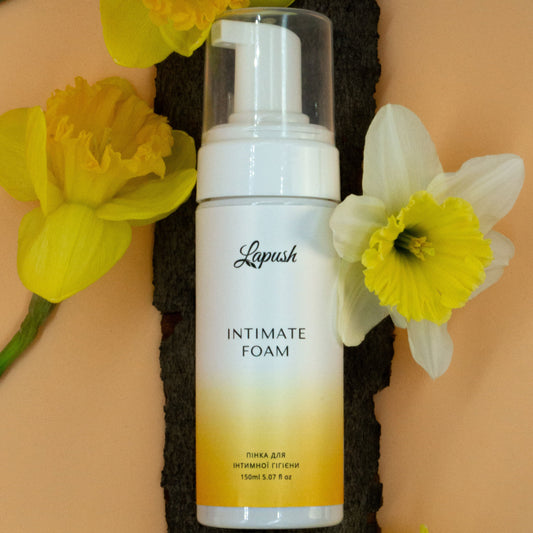
Foaming Facial Cleanser with Lactic Acid
Cleansing is the foundation of any beauty routine, and it determines how well the serums, creams, and masks you apply afterward will work. Cleansing facial foam with lactic acid combines two important steps in one product: it gently frees the skin from impurities and, at the same time, delicately exfoliates the upper layer of the epidermis. This format is beloved by those who want fresh, smooth, and radiant skin every day, without spending hours on complex care.
Why cleansing facial foam with lactic acid has become a favorite
The modern cosmetics market offers dozens of cleansing product formats – gels, balms, oils, hydrophilic products, granules. Among them, foam holds a special place due to its airy texture, economical use, and ability to work delicately even with sensitive skin. The addition of lactic acid turns ordinary washing into a full-fledged beauty procedure with a gentle peeling effect.
Lactic acid belongs to the AHA-acid group and is considered one of the mildest among them. It has a larger molecule size than glycolic acid, so it penetrates the skin more slowly and does not cause sharp reactions. Thanks to this, cleansing facial foam with lactic acid is suitable even for those who previously avoided acid care due to fear of irritation or flaking. The product works simultaneously on several levels – cleanses, exfoliates, moisturizes.
A particular value of the foam format is its gentle treatment of the skin barrier. Unlike aggressive gels with a high content of surfactants, the airy texture does not completely wash away the hydrolipidic film, so the skin does not feel tight after washing. This makes the product a universal solution for both morning awakening and evening makeup removal.
How lactic acid works in cleansing foam
Lactic acid is an organic compound naturally found in the skin's natural moisturizing factor (NMF). That's why it is so well perceived by the epidermis and rarely causes negative reactions. In cosmetic formulas, it performs several tasks at once: dissolving the bonds between dead cells, accelerating epidermal renewal, and maintaining optimal moisture levels in the skin.
The concentration of lactic acid in foams is usually low – from 1% to 5%, which allows daily use without the risk of overdrying. Such a formula works gently but regularly: after two or three weeks, the skin becomes smoother, the tone evens out, and pores appear less noticeable. Unlike mechanical scrubs, acid exfoliation does not traumatize the skin and does not create micro-scratches.
Another important function of lactic acid is hydration. Unlike other AHAs, it not only exfoliates but also attracts moisture into the deeper layers of the skin, working similarly to hyaluronic acid. That's why cleansing facial foam with lactic acid rarely causes a feeling of dryness after washing – the skin remains soft, elastic, and ready for further stages of care.

Who this cleansing facial foam is suitable for
Versatility is one of the main advantages of this product, but that doesn't mean it works the same for everyone. Before adding foam to your daily routine, it's worth assessing your skin's condition and needs. Lactic acid is considered the safest AHA-acid, but even it requires a conscious approach.
Cleansing foam with lactic acid will be especially beneficial for the following skin types:
- Dull skin without radiance – acid exfoliation restores natural glow and even tone.
- Skin with hyperpigmentation – regular use gradually evens out color.
- Dehydrated skin – lactic acid retains moisture and improves barrier functions.
- Mature skin with the first signs of aging – stimulates cell renewal and softens fine wrinkles.
- Sensitive skin that cannot tolerate other acids – the foam format makes contact with the acid as gentle as possible.
- Skin with uneven texture, post-acne, enlarged pores – regular cleansing significantly improves texture.
Daily use should be avoided if there are active inflammatory processes, open wounds, acute rosacea, or immediately after aggressive cosmetic procedures. In such a case, it is better to consult a dermatologist and return to the product when the skin recovers. For pregnant and breastfeeding women, lactic acid is generally permitted, but it is also advisable to consult a doctor about any new care product.
How to properly use foam with lactic acid
A quality formula alone does not guarantee results – how you apply the product is important. Cleansing foam with lactic acid maximally reveals its potential with the correct technique and sequence of steps. Mistakes at this stage often cause the skin to react with dryness, irritation, or not show the expected improvement.
The basic usage algorithm is as follows:
- Remove makeup with hydrophilic oil, micellar water, or milk – foam is not designed to dissolve stubborn textures.
- Moisten your face with warm (not hot!) water so that the skin better absorbs the active ingredients.
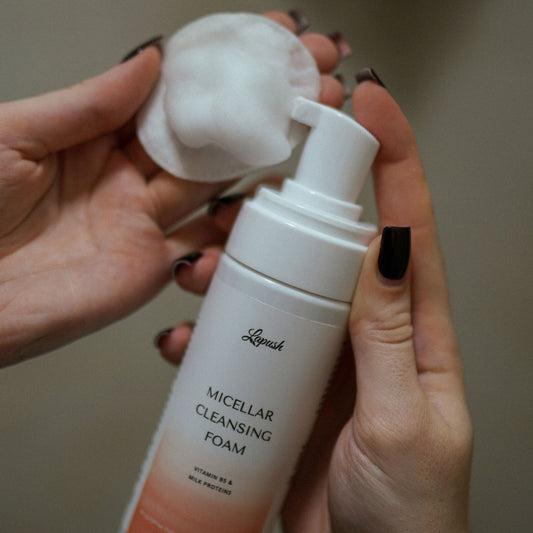
- Apply a small amount of foam to your palms, lather it between your fingers, or distribute it directly onto the skin.
- Massage your face for 30–60 seconds with light circular motions, avoiding the eye area.
- Rinse thoroughly with warm water, gently pat dry with a towel, without rubbing the skin.
- Immediately apply toner, serum, and cream – the skin after acid cleansing is maximally receptive to care.
In the morning, using foam makes the skin fresh, ready for makeup, and helps it look rested even after a short sleep. In the evening, it becomes the final cleansing step that prepares the skin for night regeneration. Most dermatologists advise starting with 3–4 times a week and gradually switching to daily use if the skin reacts calmly.
Expected results and their timeline
Realistic expectations are one of the most important things in skincare. No product gives an instant effect, and lactic acid foam is no exception. However, with regular use, results appear faster than with many other acid products – which is why the cleansing foam format is so popular.
After the very first wash, the skin feels noticeably softer, smoother, and has a light inner glow – this is the effect of freshly exfoliated epidermis and a hydrated top layer. After a week of regular use, dullness is reduced, the tone becomes more even, and fine imperfections are smoothed out. The skin begins to better absorb care products: serums and creams are absorbed more evenly and work more effectively.
After 4–6 weeks, the cumulative result becomes noticeable: texture visibly evens out, pigmentation spots soften, blackheads are reduced, and pores become less visible. Cleansing foam with lactic acid works precisely as a regular care product, not a quick fix – and that is why the effect remains stable and does not disappear immediately after the course ends.

What products to combine facial foam with
Care is always a system, and foam is just one component of it. To avoid overloading the skin with acids and to achieve the maximum effect, it is important to properly build the entire routine. Some active ingredients perfectly complement lactic acid, while others conflict and can cause irritation.
Well combined with lactic acid:
- Hyaluronic acid – enhances hydration and skin softness.
- Niacinamide – soothes, reduces redness, strengthens the barrier.
- Panthenol and allantoin – relieve irritation, accelerate regeneration.
- Squalane, ceramide, oils – seal moisture inside and nourish the skin.
- Antioxidants (vitamin E, green tea extract) – protect against oxidative stress.
Do not combine lactic acid with retinol, high concentrations of vitamin C, other AHA/BHA acids, or aggressive scrubs in one application – this can destroy the skin's protective barrier. If you use such actives, alternate them with foam every other day or apply them at different times of the day. An essential companion to any acid care is sunscreen with SPF 30+: lactic acid increases the skin's sensitivity to solar radiation, and without protection, pigmentation can easily occur.
Common mistakes when using foam with acid
Even the most delicate product can be harmful if used incorrectly. Cleansing foam with lactic acid is a powerful tool, and that is why it requires a conscious approach. The most common mistakes are easy to avoid if you know about them in advance.
The first and most common mistake is trying to "speed up the result" by using foam twice a day from the first days. The skin needs time to adapt to the acid active, and an abrupt start often ends in redness, flaking, and a burning sensation. The correct approach is to gradually introduce the product and carefully observe the skin's reaction.
The second mistake is combining foam with mechanical scrubs or cleansing brushes. Lactic acid already performs an exfoliating function, and additional mechanical action only traumatizes the skin. The third is ignoring SPF protection in morning care. Without sunscreen, regular use of acids can lead to the opposite effect – increased pigmentation and premature aging. Finally, it is worth remembering that foam does not remove stubborn makeup – it is a second-stage cleansing product, not a standalone makeup remover.
Conclusion: daily radiance starts with proper cleansing
Cleansing foam with lactic acid is that rare case when a simple and pleasant-to-use product yields truly noticeable results. Its airy texture, gentle acidic action, and ability to simultaneously cleanse, exfoliate, and moisturize make this product a real find for those who appreciate minimalistic yet effective care. With regular use, the skin becomes smoother, more radiant, better absorbs other products, and looks healthy without excessive effort.
The main thing is to approach use consciously: consider your skin type, do not combine with aggressive actives, gradually introduce the product into your routine, and always protect your skin from the sun. Then daily washing will turn into a small beauty ritual that restores youth, softness, and natural radiance to the skin. And that is precisely the true goal of proper care – for beauty to be stable, not a one-time event.