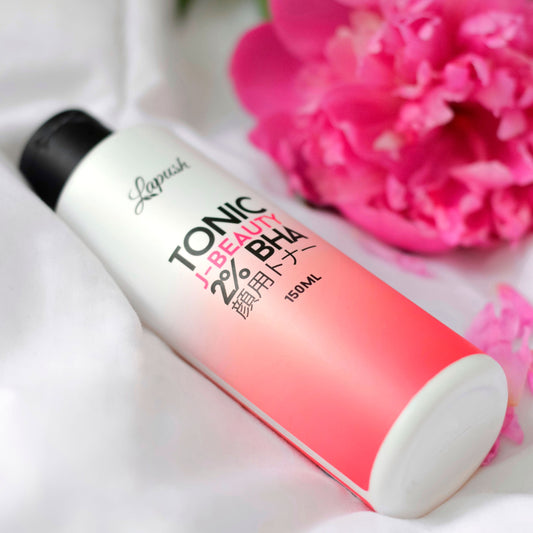
The best alcohol-free facial toner
The skin on your face is the first barrier between you and the environment, and it needs daily attention. One of the most underrated, yet powerful steps in skincare remains toning. While toners once evoked a sense of "freshness" due to harsh alcohol, the modern approach to beauty routines has shifted dramatically: dermatologists, cosmetologists, and manufacturers themselves are increasingly emphasizing gentle, hydrating formulas free of aggressive ingredients. That's why an alcohol-free toner today is not just an alternative, but a conscious choice for skin health and long-term preservation of its beauty.
What is an alcohol-free face toner?
Alcohol-free face toner is a liquid product for daily care that completes the cleansing step and prepares the skin for subsequent application of serum, cream, or essence. Unlike classic toners that contain denatured or isopropyl alcohol, alcohol-free formulas are based on emollient and moisturizing ingredients. They do not disrupt the natural lipid barrier, do not over-dry the skin's surface, and do not provoke excessive sebum production in response to stress from aggressive ingredients.
The fundamental difference of such products is that they do not simply "remove residues after washing," but actively prepare the skin for subsequent care steps. An alcohol-free toner increases the hydration level of the epidermis, normalizes pH after contact with hard water, and ensures even absorption of active components applied afterward. This makes it a full-fledged functional product, rather than just a finishing touch to cleansing.

Why alcohol-free toner is better for your skin
Alcohol-based toners were used for a long time due to their ability to degrease the surface and provide a feeling of cleanliness. However, this "cleanliness" was achieved at the cost of destroying the skin's protective barrier. Denatured alcohol in high concentrations destroys beneficial lipids, disrupts the skin's microbiome, and provokes inflammatory reactions – especially in people with sensitive or acne-prone skin. As a result, the skin appears dull, reacts with redness, and wrinkles become more pronounced earlier.
An alcohol-free face toner, on the other hand, supports the skin's natural environment without disturbing the microbiome balance. This is especially critical in mature age, when the skin's regenerative capacity decreases, and the need for hydration increases. Regular use of the right alcohol-free toner is a prevention of premature aging, maintaining elasticity and natural radiance of the skin without any aggressive interventions.
It is worth noting separately the long-term effect of alcohol on the skin barrier. Research in dermatology confirms: systematic disruption of the lipid layer leads to increased transepidermal water loss. Simply put, the skin begins to chronically "leak" - losing water faster than it absorbs it. An alcohol-free toner not only does not create this problem but also helps gradually restore what has already been damaged by regular use of aggressive products.
How a hydrating face toner works
A hydrating face toner works on several levels simultaneously, which distinguishes it from simple micellar water or an alcohol-based toner-lotion. Its key mechanisms are determined by its composition, not its consistency. Even if the product feels like water, complex processes of interaction with skin cells occur within the formula.
A good hydrating toner performs several tasks at once:
- Increases moisture levels in the epidermis — thanks to hyaluronic acid, glycerin, or betaine, which retain water in the cells.
- Restores pH after washing — tap water and most cleansers shift the pH to the alkaline side, which destroys the protective mantle; toner returns acidity to normal (4.5–5.5).
- Prepares the skin for active absorption — hydrated skin absorbs serum or cream 2–3 times more effectively than dry skin.
- Soothes irritation — components like Centella Asiatica, panthenol, or oat extract reduce redness after washing or shaving.
- Provides initial antioxidant protection — some formulas contain vitamin C or niacinamide, which neutralize free radicals at the first stage of morning care.
After applying an alcohol-free toner, the skin becomes more comfortable, softer to the touch, and responds better to subsequent care. This is especially noticeable in winter or in dry office air conditions, when the need for hydration is maximal. Regular toning becomes a habit that significantly changes the overall condition of the skin within a few weeks.
It is important to understand: a hydrating toner does not replace cream and does not compete with serum. It occupies its clear place in the care chain — between cleansing and moisturizing. It is in this place that the toner formula works most effectively, because the skin after washing is open, slightly damp, and ready to accept everything it is offered.
How to choose the best face toner
Choosing the best face toner is a task that requires understanding your own skin type, not blindly following trends. The market today offers hundreds of alcohol-free formulas, and among them there are both real finds and products with good marketing but weak composition. The first rule of selection is to read the ingredients: if "Alcohol denat." or "Ethanol" are among the first five positions, it is not an alcohol-free toner, even if the package says "mild" or "natural."
The second guideline is that the product should match your skin type. For oily and combination skin, light formulas with niacinamide, salicylic acid, or zinc are suitable – they regulate sebaceous gland activity without over-drying. For dry and sensitive skin, it is better to choose richer, so-called "essence-toners" with ceramides, peptides, and hyaluronic acid. Normal skin can use almost any well-formulated alcohol-free toner, so here you can focus on additional benefits: antioxidant protection, brightening, elasticity.
The third factor, often ignored, is seasonality. In winter, the skin needs denser and more nourishing formulas, even from a toner, while in summer, lighter, refreshing options with a mattifying effect are more appropriate. The best face toner is not necessarily the more expensive or well-known one, but the one that suits your skin in a particular season and meets your current skincare needs.

What goes into a quality alcohol-free toner
The composition of an alcohol-free toner is the first thing to pay attention to. Marketing promises on the packaging may be beautiful, but the real work is done by specific molecules. Outwardly simple "watery" toners can be extremely effective if their formula is intelligently constructed.
Here are the components that distinguish a good alcohol-free toner from a mediocre one:
- Hyaluronic acid — of different molecular weights for hydration at various skin levels.
- Glycerin — a classic humectant that retains moisture and does not irritate any skin type.
- Niacinamide (vitamin B3) — tightens pores, evens tone, and reduces inflammation.
- Panthenol (provitamin B5) — regenerates, soothes, even suitable for skin after cosmetic procedures.
- Centella Asiatica extract (cica) — a powerful anti-inflammatory and healing component, especially popular in Korean cosmetics.
- Betaine — a natural plant-derived moisturizer that does not weigh down the skin or cause acne.
- Ceramide complexes — restore the lipid barrier and retain moisture within the epidermal layer.
These components in the right concentrations make an alcohol-free face toner not only a skincare product but also an active one that actually improves the skin's condition with regular use. Therefore, when buying a new product, review the ingredients and check for at least two or three of the listed ingredients.
It is also important to note the absence of potential irritants in the composition: artificial fragrances, parabens in high concentrations, and dyes. Even if your skin is not considered sensitive, these components can accumulate over time and cause allergic reactions or provoke chronic inflammation. A clean, clear composition is a sign of a responsible formula and a true alcohol-free toner.
Hair tonic: an unexpected beauty ally
A separate category, often confused with face products, is hair tonic. This is a fundamentally different product: it works with the scalp, follicles, and the structure of the hair shaft. Hair tonic can contain active substances to stimulate growth, strengthen roots, or soothe an irritated scalp – depending on the task it solves.
Modern hair tonics are also available in alcohol-free versions – especially those designed for sensitive scalps or for use after coloring. The alcohol-free formula does not dry out the scalp, does not cause dandruff, and does not worsen itching. Instead, such products more often contain caffeine, biotin, herbal extracts, or peptides, which nourish the follicles from within and stimulate natural hair growth.
So if you are looking for a hair tonic, the logic of choosing "alcohol-free" is just as relevant as it is for face products. The scalp is just as sensitive an area, and it reacts similarly to aggressive components. Constant use of alcohol-containing products leads to dry scalp, increased flaking, and even a reflex increase in oiliness at the roots. A properly selected alcohol-free hair tonic helps restore balance and return a healthy appearance to your hair.
How to apply toner correctly to your face
The technique of applying toner is a simple but important nuance that is rarely discussed. Many people still put the product on a cotton pad and wipe their face – and it is this approach that gives a feeling of "freshness," but at the same time mechanically irritates the skin and wastes most of the product in vain. The modern approach is to apply it with your palms or by "patting."
The correct algorithm is as follows: a few drops or one or two pumps are applied to the palms, rubbed between the fingers, and lightly pressed or "patted" into the skin of the face and neck. This method stimulates microcirculation, ensures even absorption, and allows the skin to get the most out of the formula. The best time to apply toner is immediately after washing, while the skin is still slightly damp: this way, hydrating components are "sealed" into the skin more effectively.
It is worth mentioning separately the amount of toner used at one time. Most people use too little product or, conversely, too much. The optimal amount for the face and neck is three to four pumps or about 3–4 ml of liquid. At the same time, the hydrating face toner should evenly cover the entire surface, including the jawline and the area behind the ears, where the skin often remains uncared for and begins to age prematurely.
Common mistakes when using toner
Mistakes in using toners are more common than it seems. It is because of them that people often become discouraged with the product and decide that "toner is just water and marketing." In reality, the problem lies not in the formula, but in the method of application or in the wrong choice of product for a particular skin type.
The most common mistakes to avoid include:
- Using a cotton pad — up to 40% of the product remains in the cotton fibers, rather than getting onto the skin.
- Applying to dry skin a long time after washing — effectiveness decreases, as the skin has already "closed up."
- Skipping toner due to "lack of time" — this step prepares the skin and increases the absorption of subsequent products; without it, cream or serum work significantly worse.
- Applying alcohol-based toner to sensitive or dry skin — even if the skin is oily in the T-zone, alcohol-based toner provokes compensatory sebum production.
- Storing toner in the bathroom with fluctuating temperatures — most active ingredients are unstable at sharp temperature changes and lose effectiveness.
Knowing these nuances radically changes the experience of using toner. By avoiding common mistakes, you begin to get from the product what it is truly capable of giving: stable hydration, an even tone, and a feeling of comfort throughout the day.
Additionally, it is worth remembering: an alcohol-free face toner is a product with a systemic, not an instant, effect. Like most components of proper care, it reveals its full potential only with regular use for at least two to four weeks. Isolated uses will not allow you to understand if the formula suits you – consistency and patience are needed.
Conclusion: Hydrated care begins with the right toner
An alcohol-free face toner is not an extra step in your routine for the sake of routine. It is a product that forms the basis for effective care: it restores pH, moisturizes, soothes, and maximizes the action of everything applied after it. The difference between skin that receives the right alcohol-free toner daily and skin without it is noticeable within two to three weeks of regular use.
When choosing the best face toner, focus not on scent, texture, or price, but on the composition and suitability for your skin type. The cleaner and more functional the formula, the better the long-term result. A hydrating alcohol-free face toner is an investment not in a quick effect, but in the health of your skin for years to come.