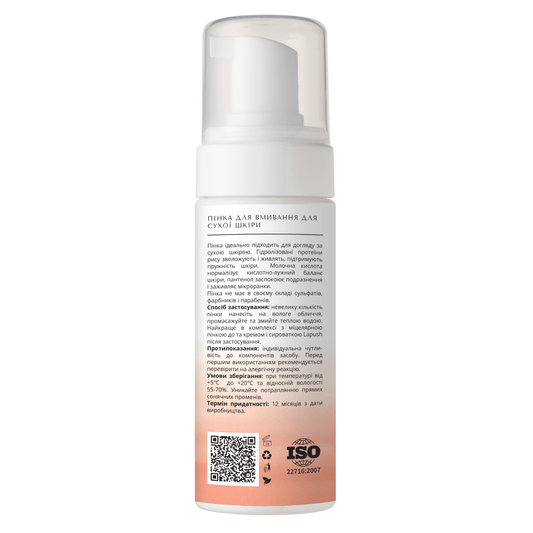
Lightness and cleanliness: foam for washing the face
Clean, healthy, and radiant facial skin is not only a matter of aesthetics but also an indicator of the overall health of the body. Every day, our skin is exposed to pollution, UV radiation, stress, and aggressive urban environments. That is why proper cleansing is the first and most important step in any beauty routine. Facial cleansing foam is a modern and effective product that gently but thoroughly removes dirt, excess oil, makeup residue, and dead skin cells without disrupting its natural protective barrier. In this detailed guide, we will tell you everything about how to choose the ideal foam for your skin type, what ingredients should be included, how to use the product correctly, and why it should become an indispensable part of your daily care.
What is a cleansing foam and how does it differ from other cleansing products?
Today, the cosmetics market offers a multitude of skin cleansing product formats: gels, mousses, milks, micellar water, oils, and foams. Each of them has its advantages, but facial cleansing foam stands out for its exceptional gentleness and effectiveness simultaneously.
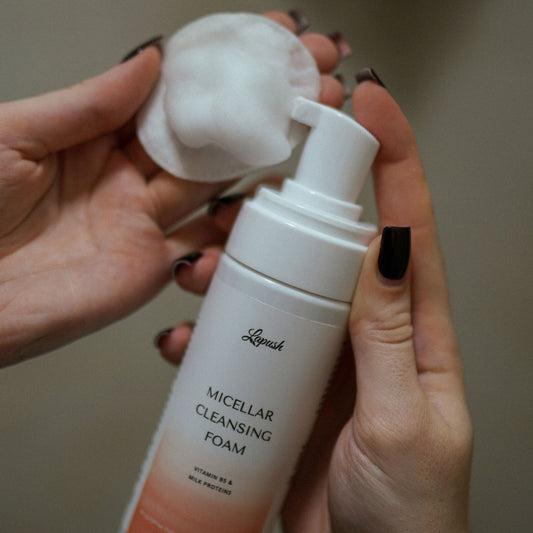
Foam is a light, airy texture that forms a thick, creamy lather upon contact with skin or water. Thanks to its structure, it spreads evenly over the entire surface of the face, penetrates pores, and effectively removes impurities without excessive rubbing or pressure. Unlike ordinary soap, foam has a neutral or slightly acidic pH, which corresponds to the skin's natural acidity level and does not disrupt its microbiome.
Cleansing gels generally have a denser consistency and more active cleansing components, which can be too aggressive for dry or sensitive skin. Milk and micellar water are great for removing light makeup but may not cope with deep pore cleansing. Foam occupies a golden mean: it is both gentle and effective, suitable for daily use, and leaves a pleasant feeling of cleanliness and freshness after each wash.

How to choose a facial cleansing foam according to your skin type
Choosing the right facial cleansing foam is the key to healthy and beautiful skin. The same product can yield completely different results depending on individual skin characteristics. Let's look in detail at what to pay attention to when choosing a foam for each skin type.
Dry skin
If your skin is prone to dryness, tightness, and flaking, choose a cleansing foam with natural oils (jojoba, argan, almond), hyaluronic acid, glycerin, or panthenol. These ingredients provide hydration during cleansing and prevent a feeling of tightness after washing. Avoid products containing alcohol, aggressive surfactants (sodium lauryl sulfate), and menthol — they further dry out the skin.
Oily and combination skin
For oily skin with enlarged pores and a tendency to breakouts, foams with salicylic acid, zinc, niacinamide, or plant extracts (tea tree, green tea) will be optimal. These components regulate sebum production, narrow pores, have antibacterial effects, and prevent the appearance of new inflammations. It is important not to over-cleanse oily skin — two washes a day are sufficient, otherwise, the skin, in response to excessive drying, will begin to produce even more oil.
Sensitive and reactive skin
Sensitive skin requires especially gentle care. Choose hypoallergenic foams without aggressive fragrances, artificial dyes, alcohol, and preservatives such as parabens. The ideal composition for sensitive skin contains prebiotics to support the microbiome, chamomile, aloe vera, oat, or Centella Asiatica extracts, which soothe and strengthen the skin's protective barrier. Always perform a patch test on your wrist or behind your ear before full use of a new product.
Aging skin
Mature skin needs not only cleansing but also active nourishment and protection from free radicals. Look for antioxidants in the foam's composition — vitamin C, vitamin E, resveratrol, or green tea extract. Foams with peptides, microdoses of retinol, or hyaluronic acid will also be effective. Such products not only cleanse but also improve skin tone and elasticity, reduce the visibility of fine wrinkles and dullness.
Skin prone to comedones and blackheads
If you are concerned about clogged pores and blackheads, pay attention to foams with enzymes (papain, bromelain), BHA acids, or mild exfoliants. They delicately exfoliate dead cells and dissolve plugs in the pores, preventing the formation of comedones. Remember: such products should not be used more than two or three times a week to avoid irritating the skin.
Benefits of cleansing foam for various skin types
Regular and proper use of quality cleansing foam yields noticeable results within a few weeks. Let's look at the main benefits for each skin type.
Dry skin
Hydration without tightness: special formulas preserve the skin's lipid barrier and prevent feelings of dryness and discomfort after washing. Gentle cleansing: mild plant-derived surfactants do not disrupt the hydrolipidic mantle of the skin, preserving its natural comfort throughout the day. Thanks to the regular use of the right foam, dry skin becomes softer, more elastic, and less prone to the appearance of fine wrinkles.
Oily and problematic skin
Deep pore cleansing: active ingredients effectively remove excess sebum, dirt, and bacteria, which reduces the risk of inflammation and breakouts. Mattifying and sebum regulation: regular use reduces oily shine within 3–4 weeks, evens out skin texture, and makes pores less noticeable. For oily skin, foam is an ideal cleansing format, as it does not leave a greasy film or a feeling of impurity.
Sensitive skin
Hypoallergenic composition: formulas without aggressive components are safe even for the most reactive skin, prone to redness and irritation. Soothing effect: chamomile, aloe vera, or oat extracts relieve inflammation and redness, providing comfort and calm for sensitive skin. Strengthening the protective barrier: mild products help restore the natural skin microbiome and increase its resistance to external irritants.
Skin after makeup use
Complete and effective makeup removal: quality foam effectively dissolves foundation, powder, blush, and even waterproof mascara, leaving the skin perfectly clean and fresh. Prevention of clogged pores: thorough daily cleansing prevents the accumulation of makeup residues and sebum in the pores, which is the main cause of blackheads and inflammation. Preparation for further care: clean skin better absorbs the active ingredients of serums, toners, and creams, increasing their effectiveness by 2–3 times.
How to properly use cleansing foam: step-by-step instructions
Even the best product will not yield the expected result if used incorrectly. Here is a detailed step-by-step guide to effective cleansing with foam.
- Morning wash. Apply a small amount of foam (cherry-sized) to damp palms, lather lightly, and apply to damp facial skin. Massage the face with gentle circular movements for 60 seconds, paying special attention to the sides of the nose, chin area, and hairline. Rinse the foam with warm water, avoiding hot water — it widens pores and dries out the skin. After washing, apply toner, serum, and daily cream with SPF protection.
- Evening cleansing. Evening cleansing is the most important ritual of the day. If you use long-lasting makeup, double cleansing is recommended: first remove makeup with micellar water or oil, then wash your face with foam. This ensures perfectly clean skin and excellent absorption of night products.
- After physical activity. During workouts, the skin actively sweats, pores expand, making it especially vulnerable to impurities. Use foam immediately after training — this will prevent breakouts and inflammations.
- Home spa treatment. Apply foam to the skin and perform a relaxing facial massage for 2–3 minutes. This practice improves blood circulation, stimulates lymphatic drainage, and helps to relax after a busy day.
- Basic step of daily care. Without quality cleansing, even the most expensive serums and creams will not be able to work fully. Regular cleansing is also a prevention of premature aging, as free radicals from pollutants destroy collagen and elastin in the skin.

What to look for when choosing a cleansing foam: composition and certificates
When choosing a cleansing foam, always carefully study the composition (INCI list). Good ingredients: cocamidopropyl betaine (mild plant-derived surfactant), glycerin, panthenol, hyaluronic acid, plant extracts, niacinamide, peptides, vitamin E and C. Ingredients to avoid: sodium lauryl sulfate (SLS) in high concentrations, artificial fragrances and dyes, isopropyl alcohol, parabens in high concentrations. Pay attention to labels such as dermatologically tested, hypoallergenic, cruelty-free, and organic — they indicate the quality and safety of the product.
Conclusion: why cleansing foam is a must-have in daily skin care
Facial cleansing foam is much more than just a cleansing product. It is the first and most important step towards healthy, young, and radiant skin. A properly selected foam not only cleanses but also cares, moisturizes, soothes, and prepares the skin for the absorption of all subsequent products. Regular use of quality foam helps preserve the youth and beauty of the skin for many years, prevents the appearance of problems, and makes comprehensive care as effective as possible. Include cleansing foam in your daily routine today — and you will notice visible improvements within a few weeks of regular use.