

Hyaluronic acid: how to choose the right product and integrate it into regular facial care
Healthy, supple, and glowing skin begins with adequate hydration, which is why hyaluronic acid has become one of the most renowned substances in modern skincare. Its ability to attract and retain water makes it indispensable for those seeking a fresh appearance, a smoothed microrelief, and comfort without a tight feeling. Below is a detailed, practical, and honest look at how this molecule works, who needs it most, and how to get the most out of it.
Hyaluronic Acid in Cosmetology: Why It's Valued
Hyaluronic acid holds a special place in cosmetology because it is a substance naturally present in our bodies. It is part of the dermis, synovial fluid in joints, and even the vitreous body of the eye, with its primary biological role being to retain moisture and provide tissue elasticity. With age, the body's own synthesis of this molecule gradually decreases, making external application through cosmetic products particularly relevant.
The popularity of hyaluronic acid is explained not by fashion but by real effectiveness, confirmed by cosmetologists' practice. One gram of this substance can bind a large amount of water, so even a small concentration in a formula significantly changes the skin's condition. This makes the ingredient a versatile helper: it suits various skin types, rarely causes irritation, and combines well with other active skincare components.
It is important to understand that cosmetic hyaluronic acid does not "rejuvenate" in the literal sense but creates conditions under which the skin looks and feels better. Sufficiently hydrated epidermis reflects light more effectively, making the face appear fresher, and fine dehydration wrinkles become less noticeable. This makes the ingredient a basic element of proper skincare, not just a pleasant addition to the cosmetic bag.
What is Hyaluronic Acid and How Does It Work?
Chemically, it is a polysaccharide—a long chain of molecules that has a unique affinity for water. When a product containing this component is applied to the skin, the molecules attract moisture from the air and deeper layers, forming a thin moisturizing film on the surface. This mechanism explains the feeling of softness and elasticity immediately after applying serum or cream.
The effect of hyaluronic acid largely depends on the environment and correct application. In a moderately humid climate, it actively draws moisture from outside, but in very dry air, without an additional barrier product, it can, conversely, draw water from deeper layers. Because of this, experienced cosmetologists always advise "sealing" the serum with a cream on top to keep moisture in the skin rather than letting it evaporate.
In practice, this means that the result depends not only on the ingredient itself but also on the overall skincare routine. The substance works best in combination with lipids, ceramides, and occlusive components that strengthen the protective barrier. This approach transforms one-time hydration into a lasting, cumulative effect, noticeable after just a few weeks of regular use.
Hyaluronic Acid for the Face: Key Benefits
Hyaluronic acid for the face is valued for its delicacy and multifunctionality, as it rarely conflicts with other ingredients and suits even sensitive skin. It can be incorporated into skincare at any age: for younger skin, it helps maintain water balance, and for mature skin, it compensates for the natural decrease in moisture. This makes the ingredient a truly universal solution for a daily beauty ritual.
Among the main advantages most often noted by users and specialists are the following:
- a deep feeling of hydration and comfort without a greasy film;
- visible smoothing of fine wrinkles caused by dehydration;
- increased firmness and elasticity of superficial layers;
- a more radiant, rested appearance of the skin after the first application;
- gentle preparation of the face for makeup application;
- compatibility with acids, retinoids, and vitamin C in a well-structured routine.
It is worth noting separately the ability of this component to smooth out the effects of aggressive factors. After exposure to sun, wind, air conditioning, or frequent washing, the skin loses moisture, and a product with hyaluronic acid quickly restores its comfort. Therefore, many keep a light hydrating serum as "first aid" for the face after flights, long hours in front of a screen, or staying in a heated room.
Hyaluronic Acid and Hydration: How Moisture is Retained
Hyaluronic acid for skin hydration works due to its main talent—attracting and fixing water molecules in the skin. Substances with this ability are called humectants, and our hero belongs to this group. The fundamental difference from ordinary creams is that the ingredient does not just lubricate the surface but forms a moisture-rich reservoir that nourishes tissues from within.
For sustained hydration, it is important to understand the skincare sequence. Hyaluronic acid works best on slightly damp skin, so it should be applied immediately after cleansing or toning, without waiting for the face to dry completely. After this, a step with a cream or oil is needed to retain the attracted water and prevent it from evaporating. Without this final layer, some effort may be wasted, especially in a dry, heated room.
A practical example well illustrates this mechanism. If you apply serum to dry skin in a winter room with radiators, you might feel tightness after half an hour because there's simply no moisture to draw from. However, the same serum applied to damp skin plus a denser cream on top yields the opposite result—sustained comfort for many hours. That's why proper hydration is always a system of steps, not just one isolated product.
Hyaluronic Acid for Dry Skin: A True Salvation
Hyaluronic acid for dry skin becomes one of the most important ingredients, as dehydration is the main problem for this type. Dry and flaky skin suffers from a lack of both moisture and lipids, requiring double support. The humectant restores water, and accompanying nourishing components strengthen the barrier, together significantly easing discomfort, tightness, and roughness.
For dry skin owners, it is important to consider several practical nuances that enhance the effectiveness of care:
- apply the product to slightly damp face to enhance moisture retention;
- always follow the serum with a denser nourishing cream;
- choose formulas where hyaluronic acid is combined with ceramides or oils;
- avoid harsh cleansers that damage the protective film;
- do not forget to moisturize the area around the eyes and lips;
- in the cold season, add an occlusive step at night.
It is worth remembering that dry skin requires patience and consistency. A single application will provide a pleasant sensation, but a true, cumulative result only appears with regular care over several weeks. If, even with systematic hydration, dryness persists, cracks appear, or persistent redness, it is a reason to consult a dermatologist—sometimes underlying conditions that require medical attention are hidden beneath external symptoms.
Types of Molecules: High and Low Molecular Weight
Not all hyaluronic acid is created equal, and the size of the molecule determines exactly how it works on the skin. The high-molecular form remains predominantly on the surface, forming a moisturizing film and immediately providing a feeling of smoothness. The low-molecular form, on the other hand, is smaller, so it can distribute more evenly in the superficial layers and provide longer-lasting support for water balance.
Modern quality formulas usually combine several types of molecules of different sizes to target various skin levels. This "multi-level" approach provides both an immediate feeling of freshness and prolonged hydration. For the consumer, this means paying attention not only to the presence of the ingredient in the composition but also to how thoughtfully the entire product formulation is designed.
Separately, there are cross-linked forms, most often used in cosmetology clinics as part of injectable procedures. This is a different story, belonging to aesthetic medicine and performed exclusively by specialists. In home care, we deal with topical products—serums, creams, and masks that act more gently, do not require recovery, and are perfectly suitable for daily use.
How to Choose a Product and Incorporate It into Your Routine
Recommended products
-
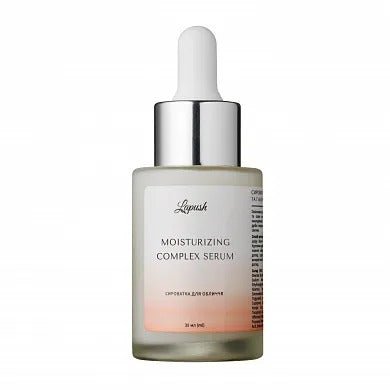
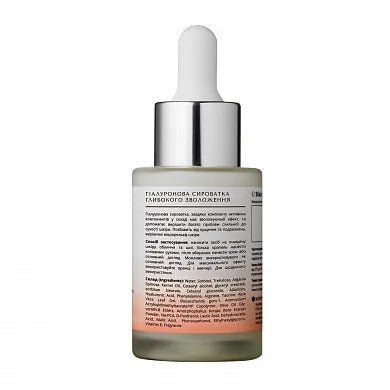 Sold out
Hyaluronic serum of deep hydration
Regular price ₴250.00 UAHRegular priceUnit price per -
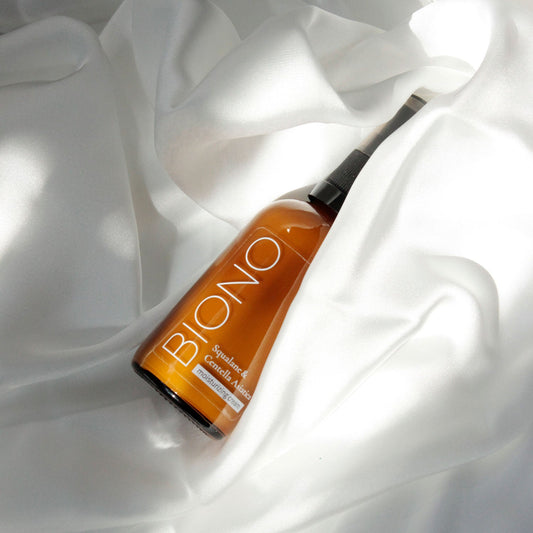
Moisturizing facial cream with squalane and centella
Regular price ₴630.00 UAHRegular priceUnit price per -
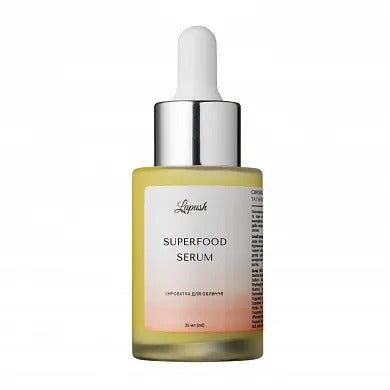
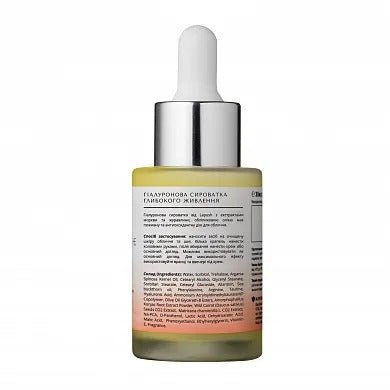 Sold out
Superfood Nourishing Facial Serum
Regular price ₴250.00 UAHRegular priceUnit price per -
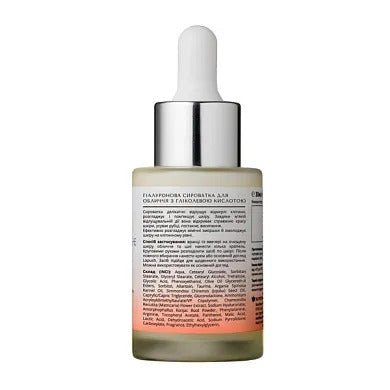
Facial serum with glycolic acid Glycolic Acid
Regular price ₴250.00 UAHRegular priceUnit price per -
Tonic essence with witch hazel hydrolate and organic sulfur
Regular price ₴560.00 UAHRegular priceUnit price per




Read also
View all-

Fine Hair Products: Tricks for Volume
Fine hair has a character all its own: it quickly loses volume, easily becomes static, gets weighed down by the slightest excess of product, and requires finely tuned care. At...
Fine Hair Products: Tricks for Volume
Fine hair has a character all its own: it quickly loses volume, easily becomes static, gets weighed down by the slightest excess of product, and requires finely tuned care. At...
-

Sensitive facial skin: why it appears even in t...
A year ago, you calmly used your favorite face wash, but today that same washing ends with burning and redness. Sound familiar? Sensitive skin is one of the few problems...
Sensitive facial skin: why it appears even in t...
A year ago, you calmly used your favorite face wash, but today that same washing ends with burning and redness. Sound familiar? Sensitive skin is one of the few problems...
-

Radiant facial skin: why your complexion "fades...
There's one simple test every woman has done at least once: looking in the mirror in the morning after a sleepless night and comparing that reflection to a photo after...
Radiant facial skin: why your complexion "fades...
There's one simple test every woman has done at least once: looking in the mirror in the morning after a sleepless night and comparing that reflection to a photo after...


- Choosing a selection results in a full page refresh.
- Opens in a new window.


