Skincare oils and natural cosmetic ingredients
The modern cosmetic industry is experiencing a true renaissance of natural ingredients, among which skin care oils occupy a special place as multifunctional and scientifically based components of professional care. In the era of conscious consumption, when people are increasingly reading labels and seeking transparency in the composition of cosmetics, vegetable oils have become a symbol of quality, safety and effectiveness, combining millennial traditions with modern dermatological research.
The revolution of natural oils in modern care
Vegetable oils have come a long way from simple folk remedies to high-tech cosmetic ingredients that undergo multi-level purification, stabilization and standardization. Modern skin care oils are obtained by cold pressing or CO2 extraction methods, which allows you to preserve a maximum of biologically active substances - vitamins, antioxidants, essential fatty acids and phytosterols. Cosmetic laboratories carefully control the quality of raw materials, checking each batch for purity, absence of pesticides and stability, which guarantees safety and predictability of results.
Scientific studies confirm that properly selected oils do not just moisturize the skin surface, but work at a deep level, restoring the lipid barrier, stimulating regeneration and protecting cells from oxidative stress. The molecular structure of vegetable oils is as close as possible to the natural lipids of the skin, which ensures excellent biocompatibility and minimizes the risk of allergic reactions. Professional cosmetologists are increasingly including oil serums and concentrates in care protocols, especially for mature, dry and damaged skin that needs intensive restoration and nutrition.

Natural ingredients in cosmetics: from nature to the laboratory
The trend towards natural ingredients in cosmetics reflects profound changes in consumer consciousness and the development of "green" chemistry, which is looking for environmentally friendly alternatives to synthetic components. Modern natural cosmetics are not primitive mixtures of oils and extracts, but high-tech formulas, where natural ingredients undergo special processing to increase stability, bioavailability and effectiveness. Leading brands invest in their own organic farms and laboratories, where plants are grown according to strict standards and the most valuable fractions of active substances are extracted from them.
Key benefits of natural ingredients in cosmetic formulas:
- Multi-component action – each vegetable oil contains dozens of beneficial compounds that work synergistically, providing a comprehensive effect
- Biocompatibility – natural lipids are recognized by the skin as "its own", which minimizes the risk of irritation and allergies
- Environmentally friendly – renewable resources and biodegradable formulas reduce environmental impact
- Lack of toxicity – natural ingredients do not accumulate in the body and do not cause systemic effects
- Long-lasting effectiveness – regular use gradually restores the skin’s natural functions, rather than masking problems
It is important to understand that the term "natural" in cosmetology has clear criteria: the ingredient must be of plant, mineral or animal origin, obtained by physical or biological methods without chemical modification of the molecular structure. Certified organic products undergo an independent audit and guarantee that at least 95% of the ingredients are grown without pesticides and GMOs. Professional cosmetologists recommend choosing brands with a transparent origin of raw materials and detailed disclosure of the composition, which indicates a responsible approach to production.
Classification of oils by skin type and purpose
The variety of vegetable oils allows you to choose the perfect option for any skin type and specific needs. For oily and problematic skin, "dry" oils with low comedogenicity are optimal - grape seed, jojoba, argan, which are quickly absorbed, do not leave a greasy shine and even regulate sebum secretion due to the content of linoleic acid. These light textures do not clog pores, but on the contrary, dissolve sebum plugs and normalize the work of the sebaceous glands, which is especially valuable for acne-prone skin.
Dry and mature skin needs more nourishing, rich oils with a high content of oleic acid and ceramides - argan, avocado, macadamia, shea, which create a protective film, prevent transepidermal moisture loss and stimulate collagen synthesis. Such oils have a denser consistency, long-term absorption, but provide deep nutrition and restoration of the damaged lipid barrier. For sensitive skin, hypoallergenic options are ideal - calendula, rice bran, camellia, which have anti-inflammatory properties and strengthen vascular walls.
Specialized oils address specific concerns: rosehip and carrot work with pigmentation and post-acne thanks to their high carotenoid content; tamanu and black cumin have antibacterial properties; and castor and almond oils stimulate eyelash and eyebrow growth. Professional cosmetologists often create individual blends, combining base oils with essential oils in the right proportions, which allows for maximum personalization of care to the unique needs of each client. It is important to remember that even the best oil may not be suitable for a specific person, so testing on a small area of skin is mandatory before regular use.
Active ingredients in cosmetics: the scientific anatomy of oils
Understanding what active ingredients in cosmetics make oils so effective helps you make informed product choices and predict their effects on your skin. Essential fatty acids – omega-3, omega-6 and omega-9 – form the basis of any vegetable oil, and it is their ratio that determines the properties of the product. Linoleic acid (omega-6) has an anti-inflammatory effect and strengthens the barrier function, so oils with a high content of it are ideal for problematic and sensitive skin. Oleic acid (omega-9) deeply penetrates and moisturizes, and alpha-linolenic acid (omega-3) works as a powerful antioxidant.
Vitamins in the oils provide additional biological activity: tocopherol (vitamin E) protects against free radicals and prolongs skin youth; retinol (vitamin A) stimulates cell renewal and reduces the depth of wrinkles; ascorbic acid (vitamin C) lightens pigmentation and synthesizes collagen. Phytosterols have a structure similar to skin cholesterol, so they effectively restore the lipid layer and reduce inflammation, which is especially important for dermatitis, eczema and psoriasis. Squalene - a hydrocarbon naturally present in skin sebum - provides deep hydration and improves tissue elasticity.
Polyphenols and carotenoids give oils antioxidant properties, neutralizing up to 90% of free radicals formed under the influence of UV radiation and pollution. Ceramides in some oils (for example, rice bran) are a building material for intercellular cement, which is critically important for restoring a damaged barrier. Phospholipids improve the permeability of active substances and increase the hydration of the stratum corneum. It is thanks to this rich biochemical composition that one drop of high-quality oil can replace several synthetic cosmetic products, providing comprehensive care at all levels of the skin.

Care cosmetics composition: we read labels professionally
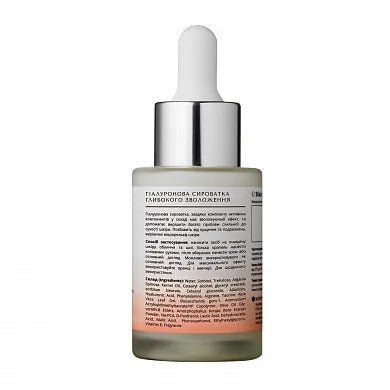
Decoding skills The composition of skin care cosmetics is a key skill of a conscious consumer, which allows you to make an informed choice and avoid marketing manipulations. On the label, ingredients are always listed in descending order of concentration: the components that occupy the first five positions form the basis of the formula and determine its properties. If the oil is listed at the end of the list after preservatives and fragrances, its concentration is symbolic and will not provide a real effect, regardless of the marketing promises on the package.
The Latin names on the label are not an attempt to confuse the consumer, but the international standard INCI (International Nomenclature of Cosmetic Ingredients), which provides transparency and the ability to identify ingredients regardless of the country of production. For example, "Argania Spinosa Kernel Oil" is argan, "Simmondsia Chinensis Seed Oil" is jojoba, and "Prunus Amygdalus Dulcis Oil" is sweet almond. If the name of the oil is followed by the words "organic", "cold-pressed" or "virgin", this indicates higher quality and preserved active ingredients.
Professional beauticians advise paying attention to the presence of emulsifiers, preservatives and stabilizers - their presence in reasonable quantities is necessary for the safety and effectiveness of the product. Natural preservatives, such as tocopherol, rosemary oil or benzoic acid, are better than synthetic parabens, but they are also needed to prevent the growth of bacteria. The absence of any preservatives in a water-based product is a red flag, indicating a short shelf life and the risk of microbial contamination. The ideal composition contains 3-7 key active ingredients, rather than 30+ components, most of which are present in microdoses.
Extraction technologies and their impact on quality
The method of obtaining the oil critically affects its therapeutic value and cosmetic effectiveness, so professional brands always indicate the production technology on the packaging. Cold-pressed is the gold standard for cosmetic oils, as the temperature does not exceed 40-45°C, which allows you to preserve all heat-labile vitamins, antioxidants and essential fatty acids in their original form. Such oils have a rich color, characteristic aroma and maximum biological activity, although they are more expensive due to the low yield of the product.
CO2 extraction is a cutting-edge technology that uses liquid carbon dioxide under high pressure to extract active ingredients. This method produces the purest product, free from any solvents or impurities, with a concentration of active ingredients of up to 99%. Such oils are ideal for sensitive skin and professional use, but their cost is significantly higher due to the complexity of the equipment. Maceration – infusing plant materials in a base oil – is used for delicate flowers and herbs that cannot be pressed, such as calendula or arnica.
Refining removes natural impurities from the oil, extending its shelf life and reducing allergenicity, but at the same time destroys some of the beneficial substances. Unrefined (virgin) oils retain the maximum of active ingredients, but require proper storage in a dark, cool place and have a shorter shelf life after opening. Fractionation is often used for professional cosmetics - the separation of the most stable components, which allows you to create a product with a long shelf life without losing effectiveness. Understanding these nuances helps you choose the best option depending on the goals of care and individual skin characteristics.
Combining oils with other assets: synergy of effectiveness
A competent combination of vegetable oils with modern cosmetic ingredients creates new generation formulas, where naturalness is combined with scientific effectiveness. Hyaluronic acid in combination with nourishing oils solves two key problems of dry skin: the first attracts water into the deep layers, and the second seals moisture, preventing its evaporation. Such a combination gives a synergistic effect, when skin hydration increases by 80% compared to the use of separate components.
Key successful combinations of active ingredients:
- Oils + retinol – lipids increase the stability of vitamin A and reduce its irritating effects, allowing the use of the anti-aging ingredient even on sensitive skin
- Oils + vitamin C – fat-soluble forms of ascorbic acid in an oil base provide deep penetration and long-lasting effect without oxidation
- Oils + peptides – polyunsaturated fatty acids enhance the signaling function of peptides, stimulating the synthesis of collagen and elastin
- Oils + niacinamide – vitamin B3 strengthens the lipid barrier, which is maintained and restored by oil components
- Oils + ceramides – double strengthening of the skin’s protective function through the restoration of intercellular cement from various sources
Essential oils in microdoses (0.5-2%) add not only a pleasant aroma to cosmetic formulas, but also specific therapeutic properties: lavender soothes and regenerates, tea tree sanitizes and dries, rose tones and lifts. However, it is important to adhere to the recommended concentrations, as an excess of esters can cause photosensitization or an allergic reaction. Professional cosmetologists recommend starting with ready-made balanced formulas from proven brands, and experimenting with creating your own mixtures only after consulting with a specialist and studying the basics of cosmetic chemistry.
Rules for storing and using oil products
The maximum effectiveness and safety of cosmetic oils depend on proper storage and adherence to expiration dates, which are often ignored by consumers. Most vegetable oils are sensitive to light, temperature and oxygen - factors that trigger oxidation processes and destroy valuable active ingredients. Ideal storage conditions: a dark, cool place with a temperature of 10-20°C, tightly closed dark glass containers, minimizing contact with air. After opening the bottle, the shelf life is reduced to 3-6 months for most oils, with the exception of stable options such as jojoba or argan.
Oxidized oils don’t just lose their beneficial properties – they become harmful, as free radicals in rancid lipids accelerate skin aging and can cause inflammation. Signs of spoilage include discoloration, cloudiness, a bitter or pungent odor, and a non-uniform consistency. If any of these signs appear, the product should be discarded immediately, regardless of the expiration date. Some particularly volatile oils, such as flaxseed or chia seed, are best stored in the refrigerator and used within a month of opening.
The technique of applying oils also affects the result: clean, moisturized skin absorbs lipids better, so the oil is applied after tonic or hydrolate to a still damp face. A few drops are distributed with warmed palms, lightly pressing into the skin without stretching the tissues. For oily skin, 2-3 drops of thin oil are enough, for dry skin - 4-5 drops of a thicker one. Night oils can be applied in a more generous layer 30-40 minutes before bedtime, removing the excess with a napkin. The multi-layer technique - applying water serums under the oil - creates a "sandwich" effect, where each layer enhances the effect of the other, providing maximum nutrition and recovery during the night.
Natural beauty through conscious choice
Integrating natural oils into daily care reflects the philosophy of conscious consumption and a responsible attitude towards one's own health and the environment. By choosing cosmetics with an honest composition, where oils occupy leading positions among the ingredients, we invest in long-term skin health, not in a temporary cosmetic effect. Scientific research continues to open up new facets of the usefulness of vegetable oils, confirming their role not only as moisturizers, but as full-fledged therapeutic agents with anti-inflammatory, antioxidant and regenerating properties.
The modern market offers an unprecedented selection of quality products for any skin type and budget, from affordable base oils to exclusive rare oils with unique properties. The main thing is to learn to read the composition, understand the needs of your own skin and not succumb to marketing promises of instant results. A patient, systematic approach using properly selected natural ingredients always wins over the chaotic search for magic remedies. Beauty built on an understanding of the biochemistry of the skin and respect for natural processes turns out to be the most stable and healthy, radiating not an artificial shine, but a true inner glow.