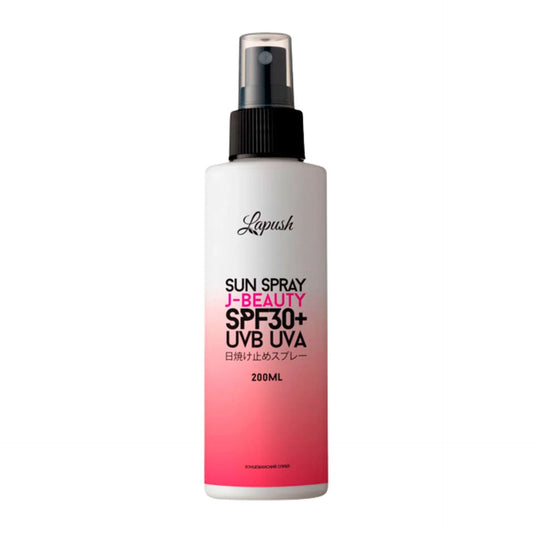
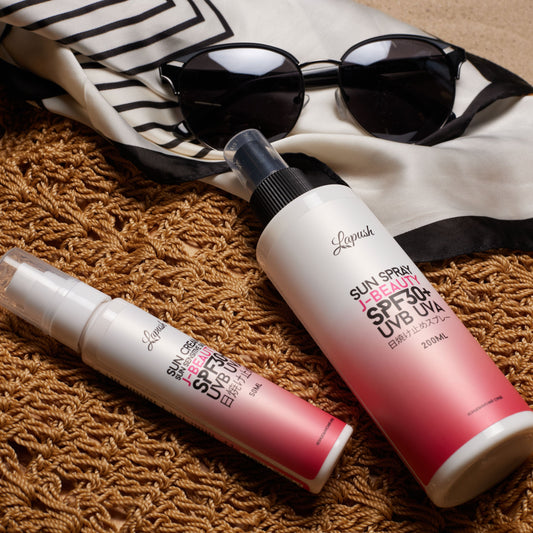
Sunscreen 50 SPF: skin protection
Sunlight is a source of energy, good mood and vitamin D, but at the same time it is one of the main external factors of premature skin aging and the development of serious dermatological diseases. Today, SPF 50 sunscreen is recognized by dermatologists around the world not as a seasonal product, but as a daily necessity - the same as cleansing or moisturizing. It protects the skin from ultraviolet radiation, which is effective all year round, even in cloudy weather, even through car windows.
Sunscreen 50 SPF: What does this number mean?
SPF — Sun Protection Factor, or sun protection factor — is a numerical indicator that reflects the degree of protection of the product from ultraviolet B radiation (UVB). The number 50 means that when applied correctly, the cream allows only 1/50 of the UVB radiation to reach the skin, that is, blocks about 98% of its intensity. For comparison: SPF 30 blocks 97%, and SPF 100 — 99%. The difference between SPF 50 and SPF 100 is minimal, but the difference between SPF 15 and SPF 50 is already significant.
It is important to understand that SPF only refers to protection against UVB rays, which cause sunburn. But there are also UVA rays, which penetrate deeper into the dermis, destroy collagen, cause pigmentation and accelerate photoaging. That is why when choosing a sunscreen, you should look for the label “broad spectrum” or “UVA/UVB”, which guarantees protection against both types of radiation. Without this label, even a cream with SPF 50 leaves the skin vulnerable to the most dangerous long-wave ultraviolet rays.
SPF 50 is the gold standard for daily sun protection for most skin types. Dermatologists recommend it as a basic option for urban use, outdoor activities, the beach and ski resorts. For very fair, sensitive or pigmented skin, as well as for children, SPF 50 is the minimum acceptable indicator. Lower values - SPF 20 or SPF 30 - may be sufficient only for dark skin phototypes, provided that exposure to the sun is short.

Types of sunscreens: chemical and mineral
All sunscreens are divided into two fundamentally different types depending on the nature of the filters used. Chemical (organic) filters — avobenzone, octocrylene, tinosorb, mexoryl — absorb ultraviolet radiation and convert it into thermal energy, which is safely dissipated. They give a light, unsaturated texture without a white cast, are well suited for daily urban use and hide under makeup imperceptibly. Their main requirement is to apply 15–20 minutes before going out into the sun, so that the filters have time to form a protective layer.
Mineral (physical) filters — zinc oxide and titanium dioxide — act fundamentally differently: they sit on the surface of the skin like tiny mirrors and physically reflect UV rays. The advantage of mineral products is instant protection immediately after application, resistance to decomposition in the sun and minimal risk of allergic reactions. That is why SPF 50 cream with mineral filters is the first choice of dermatologists for sensitive skin, babies and people with rosacea or atopic dermatitis.
Combined formulas combine both types of filters to get the benefits of each: the light texture of chemical and the reliable broad spectrum of mineral. Most modern sunscreens with SPF 50 are combined: they are evenly distributed over the skin, do not leave a visible white cast and provide broad spectrum protection. When choosing, focus on the composition and your own needs, and not on marketing promises on the packaging.
How to properly apply SPF 50 sunscreen
Even the best SPF 50 sunscreen won't protect your skin properly if it's not applied properly or in the right amount. The most common mistake is applying too little. Dermatologists use the "two-finger rule": for the face and neck, use the amount that fits between the two phalanges of your index and middle fingers. For the body, use the equivalent of about 30 ml (six teaspoons) per application. If you apply less, the actual SPF may be only a third of the declared one.
The order in which you apply sunscreen in your skincare routine also matters. For your face, follow this sequence:
- Cleansing - remove makeup residue and impurities
- Tonic or essence - moisturize the skin with water layers
- Serum - apply active concentrated products
- Moisturizer — lock in moisture and prepare the base
- SPF 50 sunscreen is the final step before applying makeup or going out.
- Foundation or BB cream — if makeup is needed
Reapplying sunscreen throughout the day is an equally important detail that is often forgotten. Chemical filters break down under the influence of sunlight approximately every 2 hours of active outdoor activity, as well as after contact with water, sweat or a towel. This means that on the beach or during long walks, the cream should be reapplied every 2 hours. For reapplication over makeup, it is convenient to use sunscreen sprays or powders with SPF.

Sunscreen for different skin types
Oily and combination skin has long been considered “problematic” in terms of SPF: most classic sunscreens left it with a greasy shine and a feeling of being squeezed. Modern formulas for this skin type are fundamentally different: mattifying, with a silicone or gel base, they control sebum production and can even replace a makeup primer. Key markers for choosing: “oil-free”, “non-comedogenic”, “matte finish” — these marks on the SPF 50 packaging indicate that the product was developed specifically for oily skin.
Dry skin needs a sunscreen with moisturizing and nourishing ingredients in its composition - hyaluronic acid, glycerin, panthenol, shea butter. Such multifunctional SPF 50 products simultaneously protect and care, eliminating the need to apply several layers of cosmetics in the morning. Creamy or milky textures are better suited for dry skin - they do not emphasize peeling and give a feeling of comfort throughout the day.
Sensitive skin and skin at increased risk of pigmentation are two specific cases where choosing an SPF 50 cream is particularly important. Sensitive skin is best served by mineral filters that are fragrance-free and alcohol-free, supplemented with soothing ingredients. For skin prone to melasma, post-inflammatory pigmentation or freckles, it is especially important to use SPF 50 daily all year round - without exception, even in the winter months, because UVA rays do not decrease in the cold season and continue to stimulate melanin production.
Sun protection and care: how to combine SPF 50 with active products
Retinol, acids (AHA, BHA), vitamin C and niacinamide are active ingredients that are often part of modern skincare routines. They all increase skin photosensitivity – that is, its sensitivity to ultraviolet light. Retinol and acids accelerate cell renewal and temporarily make the skin thinner and more vulnerable to the sun. Without a reliable SPF 50 sunscreen, their use not only negates the positive effect, but can also provoke pigmentation, burns or reactive inflammation.
The rule of interaction between active ingredients and SPF is simple: acids and retinol in the evening routine, sunscreen in the morning. Vitamin C and niacinamide in the daytime routine go well with SPF 50 - the former enhances photoprotection and brightens the skin, the latter soothes and regulates sebum. Together they form a powerful antioxidant-protective duo that not only protects against current sun exposure, but also neutralizes already formed free radicals.
A separate topic is the combination of foundation with SPF and a separate sunscreen. A foundation with SPF 20–30 does not replace full-fledged sunscreen with SPF 50, as it is applied in a much smaller volume and unevenly - and to achieve the declared SPF of foundation, you need to apply about 7 times more than you actually use. Always use a separate sunscreen as a base and foundation on top of it.

Sunscreen in winter and in the city: do you need SPF 50?
One of the most common misconceptions in cosmetics is that sunscreen is only needed in the summer and only on the beach. In fact, UVA rays, which are responsible for photoaging and pigmentation, penetrate clouds, glass and clothing almost regardless of the season and weather. According to the World Health Organization, up to 80% of ultraviolet radiation reaches the earth's surface even on a cloudy day, and in winter in the mountains its intensity increases due to reflection from snow.
In the city, the main sources of UV radiation are not only direct sunlight, but also scattered and reflected from buildings, sidewalks and glass surfaces. People who spend most of their day in the city can receive significant cumulative UV radiation without even realizing it. Drivers, office workers near windows, and walkers all need daily protection with SPF 50 in their morning routine, regardless of the season.
The daily habit of using SPF 50 is especially important for people over 30: by this age, the skin has accumulated some “photodamage” from UV radiation from previous years, and each additional dose of sun accelerates the appearance of wrinkles, uneven tone and loss of elasticity. Sunscreen in this context is the most affordable and effective anti-aging product with proven effects, as confirmed by many years of clinical research.
How to read the composition and not make a mistake with the choice
It’s important to understand the ingredients of sunscreens at least at a basic level — it helps you make an informed choice and avoid products with questionable or dangerous ingredients. First of all, look for several filters in the composition at once: a combination of two or three different UV filters gives a more even and stable coverage of the broad spectrum than one filter in a high concentration. This is especially important for UVA protection, which is often less standardized than UVB.
Here's what you should pay special attention to when choosing SPF 50:
- Zinc Oxide / Titanium Dioxide — mineral filters, safe for sensitive skin
- Tinosorb S / Tinosorb M — modern stable broad-spectrum chemical filters
- Avobenzone is an effective UVA filter, requires a stabilizer (octisalate, octocrylene)
- Mexoryl SX / Mexoryl XL — premium photostable filters from L'Oréal
- Oxybenzone is a common but potentially allergenic filter, best avoided for sensitive skin
- Nanoparticles — best avoided on broken skin, although currently considered safe
Also check for the presence of high-quality auxiliary components: antioxidants (vitamin E, resveratrol, green tea extract) enhance photoprotection and neutralize free radicals formed under the influence of the sun. Moisturizing components - hyaluronic acid, glycerin, panthenol - maintain skin comfort throughout the day and compensate for the dehydrating effect of the sun. A high-quality SPF 50 cream is not just “sun protection”, it is a full-fledged care product with a protective function.
Bottom line: SPF 50 sunscreen as a daily habit
SPF 50 sunscreen is not a seasonal purchase for vacations or a step you can skip on a busy morning. It’s the foundation for long-term skin health, protecting against cumulative photodamage, premature aging, pigmentation, and serious diseases. Science has long confirmed that people who use SPF daily for 4.5 years have significantly fewer signs of photoaging compared to those who apply the cream only when needed. The best time to start is today.
Choose your product wisely: study the ingredients, consider your skin type, don’t skimp on the amount you apply, and don’t forget to reapply throughout the day. SPF 50 sunscreen is one of the few cosmetic products whose effectiveness has been proven in dozens of clinical studies and is supported by the dermatological community worldwide. Make it a permanent part of your morning routine and your skin will thank you for years of firmness, even tone, and youthfulness.