Makeup at home: step by step from basics to results
To do beautiful makeup yourself is a dream of many, which seems unattainable without special education or an expensive set of tools. But in fact, between chaotic application of mascara in front of the mirror and a confident, well-groomed image, there is only one thing - understanding the basic techniques and the correct sequence of actions. Makeup at home has long ceased to be something second-rate: modern cosmetics, the availability of high-quality brushes and the openness of the professional community allow each person to master this skill independently, at their own pace and in a familiar environment.
Makeup for beginners: where to start and how not to get lost
Makeup for beginners is all about understanding your own face, not copying someone else’s look from social media. Before you pick up your brushes and palette, take the time to learn about your own features: your face shape, eye shape, skin type, and tone. These factors determine which techniques will work for you and which will look inappropriate—even with perfect technique. Makeup that is tailored to your individual features always looks more natural and effective than a blindly copied look.
The second important step for beginners is to minimize your initial makeup kit. The desire to buy everything and try every product at once is understandable, but counterproductive. It's much more effective to start with a few basic products: foundation or BB cream, mascara, pencil or eyeliner, and a neutral lipstick. When these products become familiar and you learn to apply them confidently, you can gradually expand your arsenal by adding blush, contouring, eyeshadow, and other elements.
Another common mistake at the beginning is trying to create a complex evening look right away. Makeup for beginners should be built from simple to complex: first master a natural daytime look, learn how to even out the tone and emphasize the eyelashes, and only then move on to more complex techniques - a smoky eye, arrows or expressive lips. Each new element requires separate practice, and haste here is the worst assistant.

How to do makeup correctly step by step: skin preparation
Any good makeup starts long before you even pick up your foundation. Skin preparation is the step that most beginners skip or underestimate, and then wonder why their makeup only lasts two hours and creases. Clean, moisturized, and primed skin is the perfect base on which any makeup product will look and stay much better.
How to do makeup correctly step by step during the preparation stage:
- Cleansing - wash with a cleanser suitable for your skin type to remove any night cream residue and sebum
- Toning — toner balances the skin's pH and prepares it for further moisturizing
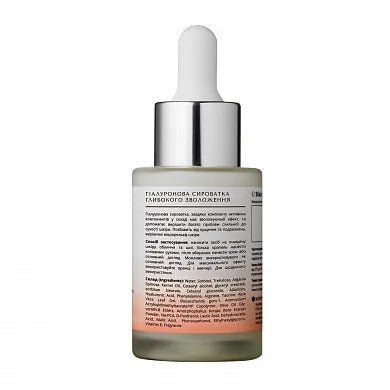
- Serum - apply a light serum with active ingredients if needed
- Moisturizer - choose a light texture that absorbs quickly and doesn't create a greasy film
- Sunscreen is a must-have step in daytime makeup, even in cloudy weather.
- Primer - evens out skin texture, visually narrows pores and increases makeup durability
Primer is one of the most underrated products in a beginner’s arsenal. Applied in a thin layer after foundation, it creates an even base between the skin and makeup, which keeps the foundation in place all day long. For oily skin, choose mattifying primers with shine control, for dry skin, choose moisturizing or illuminating primers with pearlescent particles. Even the cheapest foundation looks much better on a good primer than an expensive product on unprepared skin.
How to do beautiful makeup yourself: applying foundation
Foundation is the heart of any makeup, and the entire subsequent look depends on how skillfully it is applied. How to do beautiful makeup yourself without a mask effect is a question that worries most beginners. The answer is simple: the right shade and application tool solve 80% of the problem. The shade of foundation should match the color of your skin on the jawline - this is where they check the match in the store, not on the wrist.
Foundation application tools have a significant impact on the final result. A brush gives the most even coverage and distributes the product well, even in hard-to-reach areas — around the nose, near the eyes, on the jawline. A beauty blender sponge moistened with water gives a more natural and airy finish, removes excess product and presses it into the skin with pinpoint movements — without stretching or streaking. Fingers are suitable for applying light BB creams and tinted products when minimal coverage is required.
One of the most important secrets of professional makeup , which is easy to apply at home, is to apply foundation in layers. Start with a minimal amount of product, evenly distribute it over the entire face, and only then add another thin layer to areas that need additional coverage - redness, age spots or traces of rashes. This approach gives a natural result without the effect of a "tonal mask" and uses significantly less product.
Professional makeup at home: contouring and blush
Professional makeup at home is not about complex techniques, but about understanding how light and shadow affect the perception of facial features. Contouring is one of the most powerful tools in makeup, allowing you to visually adjust the shape of the face, emphasize cheekbones and give the face a more sculpted look. When done correctly, it is completely invisible in real life, but significantly changes the impression of the image as a whole.
For home contouring, it’s easiest to start with a cream or powder foundation that’s 2-3 shades darker than your skin tone. Cream products are applied before powder for a more natural look, while powder products are applied after powder and are easier to blend. The main areas for contouring are the temples, sides of the nose, hollows under the cheekbones, and jawline. Highlighter is applied in opposite directions: on the cheekbones, bridge of the nose, center of the forehead, and chin for a natural glow.
Blush completes the complexion and gives it a lively, healthy look. They are applied after contouring and highlighting, smiling slightly - to define the "apples" of the cheeks - and moving the brush from them to the temples. For daytime makeup at home, a light touch of blush in a peach or pink shade is enough. For an evening look, you can afford more saturated shades - terracotta, raspberry or bronze, depending on the overall color scheme of the image.

Eye makeup for beginners: first steps without mistakes
Eye makeup for beginners is the most intimidating topic, but it is actually one of the most interesting to master. Eyes are an expressive part of the face, and even minimal emphasis on them radically changes the image. It is worth starting with the simplest and most forgiving techniques: neutral shadows in one texture, mascara and a thin pencil along the mucous line - this is enough for an expressive daytime look.
The first rule of eye makeup for beginners is to always apply a base under your eyeshadow. This can be a special primer for the eyelids or a regular concealer, applied in a thin layer and dried before applying the eyeshadow. The base prevents the eyeshadow from falling into the crease, prolongs the color fastness and makes the shades brighter and more saturated. Without it, even the most expensive eyeshadow can fade after just a few hours.
When you're starting to master eye makeup, don't try to draw arrows or do a complex smoky eye right away. Instead, focus on the basic technique of applying shadows: a light shade on the entire eyelid as a base, a medium shade in the crease for volume, and a dark shade along the lash line for depth. This three-level technique is the basis of almost any eye makeup and allows you to get a good result even without experience. Having practiced it to automatism, you will easily understand the logic of any more complex look.
Eye makeup step by step: techniques for a confident result
Step-by-step eye makeup is a framework that turns a chaotic process into a predictable sequence of actions with a guaranteed result. When each step is clear and performed in the right order, even a beginner gets a look that you can't tell was done at home. The main thing is to take your time and give each product a little time before moving on to the next.
Step-by-step eye makeup sequence:
- Eyeshadow base: apply a thin layer of primer or concealer to the entire eyelid and let dry for 30 seconds
- Base tone: apply a light matte shade with a large brush to the entire eyelid from lashes to eyebrow
- Crease Blend: Using a medium brush, apply a neutral brown shade into the crease of your eyelid in circular motions.
- Darkening the outer corner: use a dark shade to emphasize the outer corner of the eye, extending slightly beyond the eyelid.
- Eyeliner or pencil: draw a thin line along the upper lashes, from the inner corner to the outer corner
- Lower eyelid: lightly underline the lower line with a pencil or dark shadows one third from the outer corner
- Mascara: apply mascara in zigzag motions from the root of the eyelashes to the tips in 2 coats
Mascara is the final touch in eye makeup, and the final impression of the entire look depends on its choice. For beginners, mascaras with a classic round medium-sized brush are the most convenient - they are evenly distributed and do not leave lumps. If you want the effect of bunches or maximum volume - look for mascara with a thick hourglass-shaped brush. And always apply mascara in 2 layers, letting the first layer dry a little - this gives much more volume than one thick layer.
Lips and finishing touches: how to complete the look
Lipstick or gloss is the final accent that completes the look and sets the mood. In home makeup, people often make a mistake: they choose too bright or dark lipstick, without taking into account the overall concept of the look. A simple rule is that if the emphasis is on the eyes, the lips should be neutral, and vice versa. Combining bright eyes and bright lips skillfully is an art that requires experience and confidence in one's own taste.
Before applying lipstick, be sure to prepare your lips: lightly exfoliate with a soft toothbrush or a special scrub, apply balm and wait a few minutes. Dry or flaky skin makes even the most expensive lipstick uneven and emphasizes microcracks. Lip liner is an indispensable tool that not only outlines the shape, but also significantly increases the durability of lipstick. Apply it not only along the contour, but also fill the entire surface of the lips with it as a base.
The final step of any at-home makeup is setting. A translucent or tinted powder slightly mattifies areas with foundation and reduces shine. A setting spray sets all your makeup in one even layer and extends its durability for several hours. A few swipes with a cotton swab remove minor mistakes — an uneven edge of eyeliner or mascara that has fallen under your eyes. Look at yourself in natural light — it is the one that shows the real result, not the artificial light in the bathroom.
Home makeup is a skill that comes with practice
Makeup at home is not a compromise or a budget alternative, but a full-fledged skill that can be brought to true art with regular practice and the right approach. How to do beautiful makeup yourself is a question the answer to which appears not after watching dozens of video tutorials, but after dozens of independent attempts in front of the mirror. Every mistake is a lesson, every successful image is self-confidence and understanding of your face on a new level.
Master the techniques gradually, start simple and don't be afraid to experiment. Step-by-step eye makeup, proper skin preparation, competent contouring and final fixation - all these elements add up to a complete look that you can create yourself, without leaving home. Invest time in practice, choose products for your skin type and remember: even professional makeup artists once made their first hesitant stroke - and it was this that became the beginning of skill.