Hydrophilic oil for washing: cleaning, care and reviews
Proper skin cleansing is the basis of any care. Without it, even the most expensive serum or cream will not give the expected result, because the active ingredients simply will not be able to penetrate the layer of dirt, makeup residue, and excess sebum. That is why hydrophilic cleansing oil has become one of the most discussed products in modern cosmetology - and it is not just a trend, but a real revolution in the approach to cleansing.
Hydrophilic facial oil: what it is and how it works
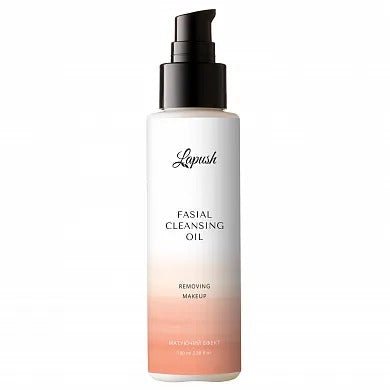
Hydrophilic facial oil is a cleansing product that combines the properties of oil and micellar water. The principle of operation is based on simple chemistry: oil dissolves oil. The product is applied to dry skin, massaged, and when water is added, the oil emulsifies, i.e. turns into a milk and is washed away along with makeup, sunscreen, excess sebum and impurities. All this happens gently, without feeling tight or overdrying.
Unlike foams and gels with sulfates, hydrophilic facial oil does not disrupt the skin's hydrolipidic barrier. It cleanses effectively but gently - this is what made it a favorite first step in the Korean double cleansing method. After using it, the skin feels clean, but not "dried to the point of squeaky clean" like after aggressive foams.
It is important to understand that hydrophilic oil is not only suitable for removing makeup. Even without makeup, dust, wind erosion products, SPF filters, and excess sebum accumulate on the face during the day — and oil removes all of this much more effectively than a regular gel or foam. That is why it is recommended even for those who do not use foundation every day.

Composition and key ingredients of effective hydrophilic oil
The effectiveness of a hydrophilic cleansing oil is determined by two things: base oils and emulsifiers. Base oils are responsible for dissolving impurities and nourishing the skin during the procedure, and emulsifiers are responsible for the product's ability to turn into a milk upon contact with water and rinse off without residue.
The best base oils in hydrophilic products:
- Jojoba oil - its structure is close to human sebum, perfect for any skin type
- Grapeseed oil — light, does not clog pores, ideal for oily skin
- Sweet almond oil - nourishes and softens, suitable for dry and sensitive skin
- Rosehip oil — contains retinol and vitamin C, helps with pigmentation and acne scars
- Castor oil is antibacterial, effective for problem skin.
The quality of the emulsifier also matters: polyglyceryl, PEG-free plant-based emulsifiers are considered the safest for the skin and the mildest in action. It is worth reading the composition carefully and avoiding products with mineral oil in the first five ingredients - it is difficult to wash off and can clog pores with regular use.
Hydrophilic oil for oily skin: is it really suitable?
One of the most common fears is that facial oil for oily skin will only aggravate the problem. In fact, the opposite is true. Hydrophilic oil for oily skin is one of the most effective ways to normalize the work of the sebaceous glands. When the skin is constantly overdried by aggressive foams, it compensates by increasing sebum production. Gentle cleansing with oils breaks this vicious cycle.
The principle of “oil dissolves oil” works particularly well here: the hydrophilic oil literally draws excess sebum out of the pores without tightening or irritating the skin. As a result, after regular use for 3–4 weeks, most people with oily skin notice that their skin starts to shine less by lunchtime, and their pores look cleaner and less enlarged.
For oily skin, choose a hydrophilic oil with light, non-comedogenic oils—grapeseed, jojoba, hemp—and avoid products with high concentrations of coconut or olive oil, as they can cause comedones. It's also important not to leave the product on the skin for longer than 60 seconds and to rinse thoroughly with warm water.
Hydrophilic oil for problem skin: cleansing without aggravation
Problematic skin is a special challenge for any cleanser. Aggressive gels and foams irritate and dry out, provoking new inflammations. Mild micellar waters often fail to cope with heavy makeup and SPF. Hydrophilic oil for problematic skin occupies the perfect middle position: it effectively removes impurities without irritating the skin barrier and provoking additional inflammations.
The main thing when choosing a hydrophilic oil for problem skin is to pay attention to additional active ingredients. Those that have anti-inflammatory and antibacterial effects will become real helpers:
- Tea tree is an antiseptic that reduces inflammation and the number of bacteria on the skin's surface.
- Salicylic acid — dissolves sebum in pores, effective against comedones
- Niacinamide — soothes, tightens pores, and evens out skin tone
- Zinc — regulates sebum production and relieves redness
Practical experience shows that most people with acne and post-acne who switch to hydrophilic oil as the first step of cleansing notice improvements within 2–3 weeks. The skin becomes smoother, new inflammations appear less, and scars from old ones gradually begin to lighten. It is important to combine the oil with the second step of cleansing - a light foam or gel without sulfates.
Hydrophilic oil reviews: what those who have tried it say
Hydrophilic oil receives mixed reviews — but only from those who did not understand the application technique or chose the wrong formula for their skin type. Those who approached the choice consciously, the vast majority remain supporters of this product forever. The most common words in the reviews are: "the skin finally stopped drying out", "pores became cleaner", "makeup is washed off in one application".
Among the common mistakes found in reviews from dissatisfied users is applying to wet skin. This is a key mistake: hydrophilic cleansing oil is applied exclusively to dry skin with dry hands, otherwise the emulsifiers work prematurely and the product does not have time to dissolve the dirt completely. Some also complain about the feeling of a film after rinsing - this is a signal that either the selected type of oil is not suitable for a particular skin type, or rinsing was insufficient.
Positive reviews of hydrophilic oil have one thing in common: people note that after switching to this product, the entire skincare ritual has become much simpler. The skin perceives the subsequent steps better - toner, serum, cream - because the cleansing is deeper and softer at the same time. This is the main argument in favor of hydrophilic oils among those who already have experience using them.

How to use hydrophilic oil correctly: techniques and tips
The technique of using hydrophilic oil is simple, but requires following a few rules for maximum results. Apply 2–3 pumps of the product to dry facial skin and with dry hands start massaging in circular motions — from the center of the face to the periphery. Pay attention to areas with persistent makeup: eyelids, lip line, wings of the nose. The massage should last 60–90 seconds — this is enough for the oil to dissolve all impurities.
Then wet your hands with water and continue massaging – you will immediately notice how the oil turns into a blond milk. This is the process of emulsification. Wash everything off with warm water and rinse with cool water. For sensitive skin, you can remove the residue with a damp cloth without alcohol before the final rinse – this will reduce the mechanical effect of water on the skin.
Hydrophilic facial oil is recommended to be used in the evening as the first step of a double cleansing routine. In the daytime, if you haven’t used SPF and makeup, you can limit yourself to a light gel or foam. Always apply a second cleansing step after the oil to ensure that the skin surface is fully prepared for further care.
Conclusion: hydrophilic oil is the basis of competent skin care
Hydrophilic cleansing oil is not just a fashionable product, but a functional tool that surpasses most traditional cleansing products in efficiency and care. It is suitable for any skin type - both dry, which needs a gentle nourishing cleansing, and oily and problematic, which requires deep but non-aggressive removal of sebum and impurities. The main thing is to choose the right composition and follow the application technique.
If your skin consistently reacts to cleansing with tightness, redness, or, conversely, increased oiliness, it’s time to reconsider your cleanser. Switching to a hydrophilic facial oil is often the turning point that makes your entire skincare routine work in a new way. Try it and you’ll see why the reviews for this product are so rave.