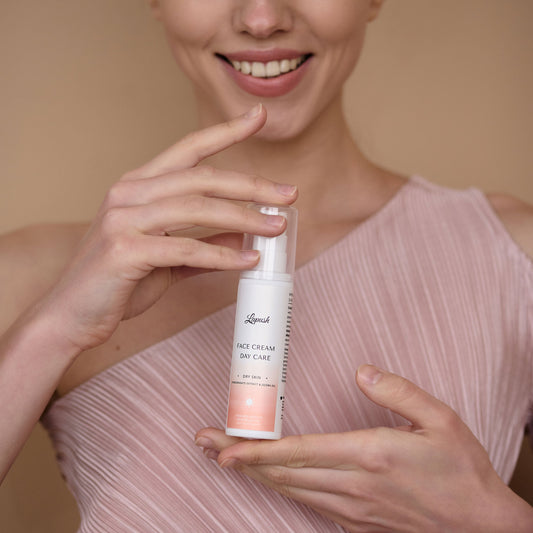
Comfort for sensitive skin in winter: how to protect your face from cold and dryness
Winter is a real test for sensitive skin, as the freezing air, sudden temperature changes and dry indoor air create the perfect storm for irritation, redness and discomfort. If your skin reacts to every change in the weather, feels tight after going outside or notices redness on your cheeks – you are not alone. Understanding the nature of sensitive skin and properly selected care will help keep it healthy, comfortable and radiant regardless of the vagaries of the weather.
Why sensitive skin suffers in winter
Sensitive skin care becomes critical in winter due to a combination of external aggressors. Cold air contains significantly less moisture, which leads to dehydration of the upper layers of the epidermis. When the temperature drops below zero, the skin's lipid barrier begins to break down. For sensitive skin, which by nature has a weakened protective barrier, this means a double whammy - it loses moisture faster and reacts more intensely to irritants.
Sharp temperature changes create additional stress for blood vessels. When you leave a warm room into the cold, the blood vessels sharply narrow, and when you return to the heat, they expand. This constant "gymnastics" leads to weakening of the capillaries, the appearance of redness, couperose and a burning sensation. Sensitive skin in the cold season is especially prone to rosacea and inflammatory reactions precisely because of this mechanism of vascular instability.
Heating indoors reduces the relative humidity to 20-30%, while 40-60% is optimal for skin health. In such a dry environment, the skin constantly loses moisture, becomes thin, rough and extremely reactive. That is why proper care should include not only protection outdoors, but also intensive humidification indoors.

Signs of sensitive skin in winter
Sensitive skin is not just a type, but a condition that can change under the influence of various factors. Winter often becomes a trigger that intensifies all manifestations of sensitivity. The main signs are a tendency to redness, a burning sensation after applying cosmetics, a reaction to temperature changes and a tendency to rashes.
Winter manifestations include:
- Increased dryness and peeling – especially on the cheeks, around the nose and forehead, the skin becomes rough and uneven
- Red spots after contact with cold – appear immediately after going outside or coming into contact with snow
- Tightness after washing – even gentle products can cause discomfort due to a weakened barrier
- Increased reactivity – familiar foods suddenly start to cause burning or itching
- The appearance of couperose – dilated capillaries become more noticeable due to weakening of the vascular walls
It's important to understand that caring for sensitive skin during the cold season requires a comprehensive approach to restoring and maintaining the protective barrier. This means choosing products with gentle formulas, avoiding irritants, and creating a multi-layered defense system.
Gentle cleansing as the basis of care
Proper cleansing is a balance between effectiveness and gentleness. Many people mistakenly use the same products as in the summer, not taking into account the vulnerability of winter skin. Aggressive gels with high pH, soaps and foams with sulfates can completely destroy the weakened lipid barrier.
For sensitive skin, gentle cleansers with a cream or oil base are ideal. Hydrophilic oils and milks dissolve impurities without disrupting the natural lipid layer. If you prefer a facial gel, choose formulas with mild surfactants, enriched with hyaluronic acid or panthenol. Such gels cleanse without overdrying.
Body foam can also be a great option if it has a soft texture and a neutral pH of 5.5. Modern foams are often enriched with ceramides and prebiotics, which support the skin's microbiome. The main rule of winter cleansing is to avoid hot water and always use lukewarm water. After cleansing, gently pat your skin dry with a towel, maintaining a thin layer of moisture.
Intensive hydration and creation of a protective barrier
Moisturizing sensitive skin in winter requires a multi-level approach. The first level is toning, which restores pH balance and prepares the skin for the next steps. Choose alcohol-free toners with extracts of chamomile, centella asiatica, or allantoin.
Key ingredients for winter care:
- Hyaluronic acid – holds up to 1000 times its own weight in moisture, works in different layers of the skin
- Ceramides – lipids identical to the natural barrier, fill the gaps between cells and prevent moisture loss
- Niacinamide – strengthens the barrier, reduces redness and has anti-inflammatory properties
- Panthenol – deeply moisturizes, accelerates regeneration and soothes irritated skin
- Squalane is a biomimetic lipid that mimics natural sebum without feeling greasy.
Serums for sensitive skin become indispensable in winter due to their concentrated formulas. Moisturizing serums with hyaluronic acid are applied to damp skin immediately after toning. Soothing serums with centella help reduce reactivity. Serums with ceramides are especially effective for winter care, as they literally "repair" the damaged barrier.

Choosing the perfect cream and application rules
Creams for sensitive skin in the cold season should not only moisturize, but also restore and protect. The texture should be dense enough to create a barrier against the cold, but not clog pores. The ideal winter cream contains a balance of moisturizing ingredients, lipids and emollients.
Day cream should definitely contain SPF protection, because the winter sun reflected from the snow can be aggressive. Mineral filters are better suited for sensitive skin than chemical ones. Night cream can be thicker, enriched with peptides, vitamins E and F, shea or jojoba oils.
When choosing, pay attention to the absence of potential irritants: synthetic fragrances, alcohol, essential oils in high concentrations. Look for the labels "hypoallergenic", "fragrance-free" or "for sensitive skin". Formulas with minimal ingredients often work better than multi-ingredient creams. For sensitive skin in winter, less is better, but more quality.
Protection from the cold and practical habits
Sensitive skin care is not limited to cosmetics – preventive measures are also important. Apply a protective cream 20-30 minutes before going out so that it has time to be absorbed. The layer should be thick enough, especially on the cheeks, nose and chin.
Practical tips for protection:
- Protect your face with a scarf – it creates a barrier between your skin and the cold wind, preventing frostbite in vulnerable areas
- Use a humidifier – maintaining humidity at 40-50% significantly reduces moisture loss during the heating season
- Avoid hot baths – the water temperature should not exceed 36-38°C, duration up to 10-15 minutes.
- Apply the cream after a shower – products are better absorbed on wet skin, use within the first 3 minutes.
- Wear gloves – the skin on your hands is especially vulnerable to the cold due to the lack of sebaceous glands.
Pay attention to the fabrics that come in contact with your skin. Wool scarves can be irritating – choose soft, natural materials. Sleep on a silk pillowcase, which creates less friction and doesn’t absorb skin care products.

Comfort and beauty regardless of the weather
Caring for sensitive skin during the cold season can seem complicated, but it all comes down to understanding your skin's needs and being consistent. Sensitive skin in winter requires special attention, delicacy and patience, but a properly structured routine can turn the winter months from a challenge to a comfortable period. The key principles - gentle cleansing, multi-level hydration, barrier protection and avoidance of irritants - are the foundation of healthy skin even in the most severe frost.
Remember that every skin is unique. Introduce new products gradually, one at a time per week to monitor your reaction. Keep a skincare journal, noting which products cause discomfort and which bring relief. Don't be afraid to adapt your routine depending on the weather and your skin condition. With the right approach, quality sensitive skin creams, serums, and gentle cleansers, your skin will feel comfortable all winter long, enjoying a healthy glow regardless of the vagaries of the weather.