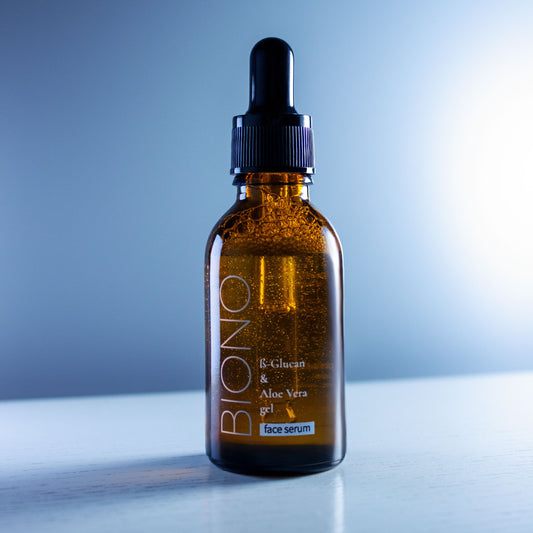
Aloe vera in cosmetics: benefits for the face and hair
Aloe vera has long been considered a true treasure of natural cosmetology, as its unique properties can transform skin and hair care. This unpretentious succulent contains over 75 active components, including vitamins, minerals, enzymes and amino acids, which make it an indispensable ingredient in the modern beauty industry. Understanding how to properly use aloe vera in cosmetics will help you maximize the potential of this plant and get visible results in self-care.
What makes aloe vera so special in cosmetology?
Aloe vera occupies a special place in cosmetics due to its unique biochemical composition, which is perfectly combined with the structure of human skin. The gel from the leaves of this plant contains polysaccharides that create a protective barrier on the surface of the epidermis, preventing moisture loss and protecting against external aggressors. That is why aloe-based products have so quickly gained popularity among supporters of both natural and professional care.
Modern research confirms that aloe gel benefits from its high concentration of antioxidants, especially vitamins C and E, which neutralize free radicals and slow down the aging process. In addition, the plant contains a unique combination of active substances that make it indispensable in modern cosmetology.
Key components of aloe vera in cosmetics:
- Polysaccharides – moisturize the skin and retain moisture at the cellular level, creating a protective barrier
- Gibberellins and auxins are natural growth hormones that stimulate cell regeneration and accelerate healing.
- Vitamins A, C, E and B vitamins – provide antioxidant protection and support healthy skin metabolism
- Minerals (zinc, magnesium, calcium) – regulate the work of the sebaceous glands and strengthen the protective barrier
- Amino acids and enzymes – promote the repair of damaged tissues and gentle exfoliation

Aloe vera for the face: deep hydration and restoration
Using aloe vera for the face has become the gold standard in the care of all skin types, especially for those who need intense hydration without a greasy feel. The light gel texture instantly penetrates the deep layers of the epidermis, delivering nutrients there and retaining moisture at the cellular level. Thanks to the high content of mucinous polysaccharides, aloe creates an invisible film that prevents transepidermal water loss throughout the day.
Aloe vera for the face is especially effective in combating acne and post-acne, as it has powerful anti-inflammatory and antibacterial properties. The salicylic acid in its composition gently exfoliates dead cells, preventing clogged pores, while zinc and sulfur regulate the work of the sebaceous glands. Regular use of aloe gel helps reduce redness, even out skin tone and accelerate the healing of inflammation without overdrying, which often accompanies the use of aggressive anti-acne products.
Why aloe gel benefits all skin types
Versatility is the characteristic that best describes aloe gel’s benefits for various dermatological needs. Unlike many active ingredients that may be too aggressive for sensitive skin or not effective enough for oily skin, aloe exhibits adaptogenic properties, adapting to the needs of a specific type of epidermis. For dry skin, it works as an intensive moisturizer, for oily skin – as a sebum regulator, and for combination skin – it balances the T-zone.
The molecular structure of aloe vera gel is unique in that its components are optimally sized to penetrate the stratum corneum without disrupting the lipid barrier. This means that the active ingredients reach the living cells of the epidermis and dermis, where they directly affect metabolic processes. Lignin, one of the key components of aloe, acts as a natural conductor, helping other beneficial substances to penetrate 400% deeper compared to regular water, which makes aloe vera in cosmetics an extremely effective transport agent for other assets.
How aloe gel benefits different skin types:
- For dry skin – intensely moisturizes without feeling sticky, restores the lipid barrier and prevents peeling
- For oily skin – regulates sebum production, tightens pores and mattifies without overdrying
- For sensitive skin – soothes irritation, reduces redness and strengthens the protective barrier
- For mature skin – stimulates collagen production, improves elasticity and smoothes fine wrinkles
- For problem skin – relieves inflammation, accelerates acne healing and prevents the appearance of post-acne
Aloe vera for hair: nourishment from roots to tips
The transforming effect of aloe vera for hair is due to its ability to penetrate directly into the structure of the keratin shaft, restoring damaged areas from the inside. The proteolytic enzymes contained in the gel gently remove dead cells from the surface of the scalp, opening the hair follicles for better oxygen and nutrients. This stimulates natural hair growth and prevents premature hair loss, especially during stressful periods or seasonal changes.
Aloe vera for hair works as a natural conditioner due to its ability to seal the hair cuticle, making it smooth and shiny. The vitamins B12 and folic acid in it strengthen the hair follicle, while the minerals, especially magnesium and zinc, support healthy growth and prevent graying. For those suffering from dandruff or seborrheic dermatitis, the antifungal properties of aloe effectively fight Malassezia without disrupting the natural microbiome of the scalp.

Practical application: how to properly use aloe in care
To achieve the maximum effect from using aloe for cosmetic purposes, it is important to follow certain rules and understand the specifics of its application for different areas. Temperature also matters for effectiveness - chilled gel works especially well for relieving inflammation, burns and swelling, while a room temperature product is better suited for general care and nutrition.
It is important to understand the difference between industrial aloe gel and fresh aloe juice. Although fresh gel contains the highest concentration of active ingredients, it can cause irritation due to the presence of aloin, a yellow latex between the skin and the gel. Professional cosmetic products are purified of this substance, so they are safer for regular use, especially on sensitive facial skin.
Basic rules for using aloe vera in cosmetics:
- Apply aloe gel to cleansed facial skin with light massaging movements, allowing it to be fully absorbed before the next step of care.
- Use aloe as a base for serum or cream to enhance the penetration of active ingredients
- When treating your hair, distribute the gel from roots to ends, concentrating especially on the scalp and damaged areas.
- Store natural aloe gel in the refrigerator for no more than a week, as it quickly oxidizes and loses its beneficial properties.
- Combine aloe with other natural ingredients to create personalized masks
Synergy with other ingredients: enhancing the effect of aloe
Aloe vera in cosmetics achieves maximum effectiveness when properly combined with other active ingredients, creating a synergistic effect, when the total effect exceeds the individual effect of each ingredient. For example, the combination of aloe with hyaluronic acid creates a powerful moisturizing duo: aloe delivers moisture to the deep layers of the skin, and hyaluronic acid retains it there, providing long-lasting hydration for 24+ hours. The combination of aloe with vitamin C enhances antioxidant protection and brightening effect, as aloe stabilizes this capricious molecule and increases its bioavailability.
In hair care, aloe works great with vegetable oils - coconut, argan or jojoba. The light texture of the gel allows heavy oils to better penetrate the hair shaft, without weighing it down. Adding rosemary or mint essential oils to aloe stimulates scalp microcirculation, enhancing hair growth. For bleached or damaged hair, a mask made of aloe, keratin and silk proteins is ideal, which restores the structure and returns natural shine.

Myths and reality about aloe in cosmetology
Despite the widespread popularity of aloe vera for the face and body, there are many misconceptions surrounding this ingredient that can lead to misuse or inflated expectations. One of the most common misunderstandings concerns the shelf life of aloe products - many believe that natural remedies can be stored for a long time, but in fact, aloe gel without preservatives oxidizes within a few days, losing its beneficial properties.
It is also worth understanding that not all products with the word "aloe" on the label contain enough of this ingredient to have a therapeutic effect. If aloe is at the end of the list of ingredients, its concentration may be symbolic. Look for products where aloe vera or its juice is in the first five components of the composition - this guarantees that its content is at least 5-10%, which is enough for a noticeable effect with regular use.
The most common myths about aloe gel benefits:
- Myth: Aloe is suitable for absolutely everyone without exception. Reality: 1-2% of people may be allergic to aloe components, so a patch test is mandatory before first use
- Myth: The more aloe, the better. Reality: The optimal concentration is 10-20%, higher concentrations can cause stickiness without any additional benefit.
- Myth: Aloe can replace a full-fledged cream. Reality: Aloe gel is a great moisturizer, but for full nutrition, additional lipids and emollients are needed.
- Myth: Fresh aloe is always better than commercial aloe. Reality: Homemade aloe may contain irritating aloin, while professional products are purified and stabilized.
Choosing quality aloe vera products
To navigate the variety of aloe cosmetics, it is helpful to understand the key quality markers that indicate the true concentration and effectiveness of the product. First, pay attention to the form in which the aloe is present in the composition: "Aloe Barbadensis Leaf Juice" is considered the most valuable, while "Aloe Barbadensis Leaf Extract" can be more diluted. Organic certification is also an indicator of quality, guaranteeing that the plant was grown without pesticides and chemical fertilizers.
Second, the percentage of aloe vera is important for achieving the desired results. Professional lines often specify the exact concentration – from 70% to 99% for direct-application gels and from 10% to 30% for creams and serums. Products with a concentration below 5% are likely to provide only a cosmetic effect without a deep therapeutic effect. If the label says “cold-pressed” or “cold-processed”, this means that the aloe vera has not been subjected to heat treatment, which can destroy some of the beneficial enzymes and vitamins.
Conclusion: Natural power for your beauty
Aloe vera in cosmetics remains the unchanging leader among natural ingredients, combining centuries-old traditions with scientifically proven effectiveness in modern dermatology. Its versatility, safety and multifunctionality make aloe an ideal choice for both daily care and for solving specific skin and hair problems. Aloe gel brings comprehensive benefits - from basic hydration to deep restoration and protection against aging, which explains its presence in the formulas of premium and mass cosmetics brands.
Integrating aloe vera for the face and aloe vera for hair into your daily care routine will help maintain healthy skin and hair in a natural way, minimizing the need for aggressive procedures and complex multi-component formulas. The main thing is to choose quality products with a sufficient concentration of the active ingredient, store them correctly and use them regularly to achieve stable results. Aloe is not just a trend, but a real foundation for effective care that works for all skin types and any age, giving natural beauty and a healthy look.